Wedding photography is one of the most demanding genres, requiring a camera that can deliver in a variety of challenging situations - from low-light ceremony venues to fast-paced receptions. Key priorities include superb image quality (especially in low light), fast and reliable autofocus, high burst rates for capturing fleeting moments, robust weather-sealing, and dual memory card slots for backup and peace of mind. Ergonomics and battery life are also major considerations since weddings are long events where comfort and reliability are valued. Our selections were made by considering the real-world needs of professional wedding photographers and advanced enthusiasts. We evaluated each camera's sensor performance, autofocus accuracy in both stills and video, buffer depth for continuous shooting, durability, and usability features like dual card slots and silent shutter options. The list below represents the best cameras currently available for wedding photography, balancing premium performance with value, and including a variety of brands to ensure there is an option for every preference and lens ecosystem.
Why Trust This List
Our rankings are based on aggregated opinions from real photographers across Reddit communities, combined with detailed specification analysis. We do not accept payment for placement or use affiliate links that influence rankings.
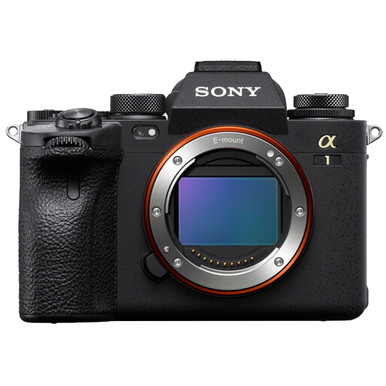
Sony A1
The Sony A1 stands at the top for wedding photographers seeking the ultimate blend of resolution, speed, and versatility. It offers a 50MP full-frame sensor capable of exceptional image quality paired with blistering 30 fps continuous shooting and Sony's industry-leading Real-Time AF tracking for eyes, faces, and animals. This versatility makes it perfect for capturing both formal portraits and candid, fast-moving moments throughout a wedding day. Compared to its peers, the A1 excels in every critical area without significant compromises. Its strong battery life, superior viewfinder, and comprehensive video capabilities also make it a superb choice for hybrid creators shooting both stills and video. While its price is premium, for professionals who demand flawless performance in all conditions, the Sony A1 is arguably the most capable tool available today.
Pros
- 50MP full-frame sensor with superb dynamic range
- 30 fps blackout-free burst shooting
- Best-in-class autofocus with AI-driven subject tracking
- Dual card slots (CFexpress Type A/SD)
- Robust weather sealing
Cons
- Very expensive
- Menus can be complex
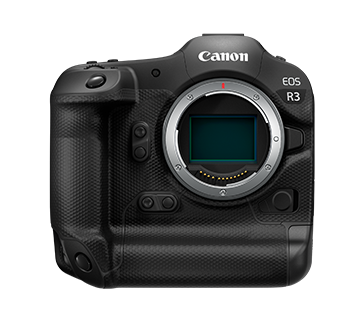
Canon EOS R3
The Canon EOS R3 is a premier choice for wedding shooters who need high speed, reliability, and outstanding autofocus. Its 24MP stacked BSI sensor combines excellent image quality in low-light with extremely fast readout, supporting 30 fps bursts with virtually no rolling shutter. Canon's Dual Pixel AF continues to set the bar for subject detection performance, and unique features like Eye Control AF appeal to photographers who want to react instantly to fast-changing scenes. Ergonomically, the EOS R3 is a joy to handle for long events. Its sturdy, weather-sealed body, huge battery, and intuitive controls are all built for pro-grade endurance. The R3 stands out for those prioritizing speed, AF reliability, and handling during long or difficult shoots, and is also well suited for hybrid shooters needing advanced video.
Pros
- Exceptionally fast and accurate autofocus
- Excellent low-light and high ISO performance
- 30 fps burst rate with no blackout
- Fantastic ergonomics and weather durability
- Dual CFexpress/SD card slots
Cons
- Lower resolution than peers, not ideal for large prints
- Large and heavy
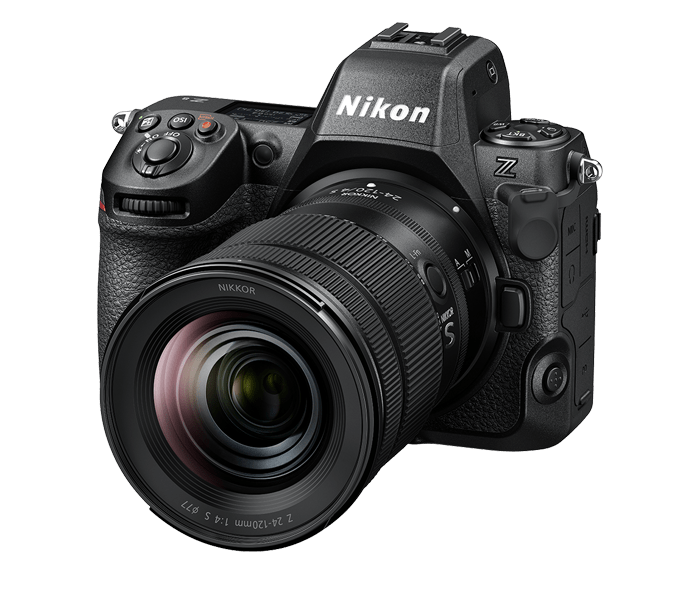
Nikon Z8
The Nikon Z8, with its high-resolution 45MP sensor and rapid 20 fps continuous shooting, brings much of the flagship Z9's power in a more affordable and manageable body. Its autofocus system is highly competitive, with reliable eye- and face-detection that keeps up in diverse lighting. The Z8 excels at capturing everything from dramatic posed portraits to fleeting moments on the dance floor, making it a top choice for professionals invested in the Nikon ecosystem. Its compact yet solid build offers weather sealing suitable for unpredictable wedding environments. With dual card slots, impressive EVF, and deep RAW buffer, the Z8 competes closely with Sony and Canon's best, often at a lower cost. It is particularly attractive for Nikon users seeking flagship performance in a lighter body.
Pros
- 45MP sensor with exceptional detail and dynamic range
- 20 fps raw shooting with deep buffer
- Reliable and responsive AF with subject detection
- Dual card slots (CFexpress/SD)
- Weather-sealed pro-grade body
Cons
- Shorter battery life compared to DSLRs
- Menu system can be complex for new users
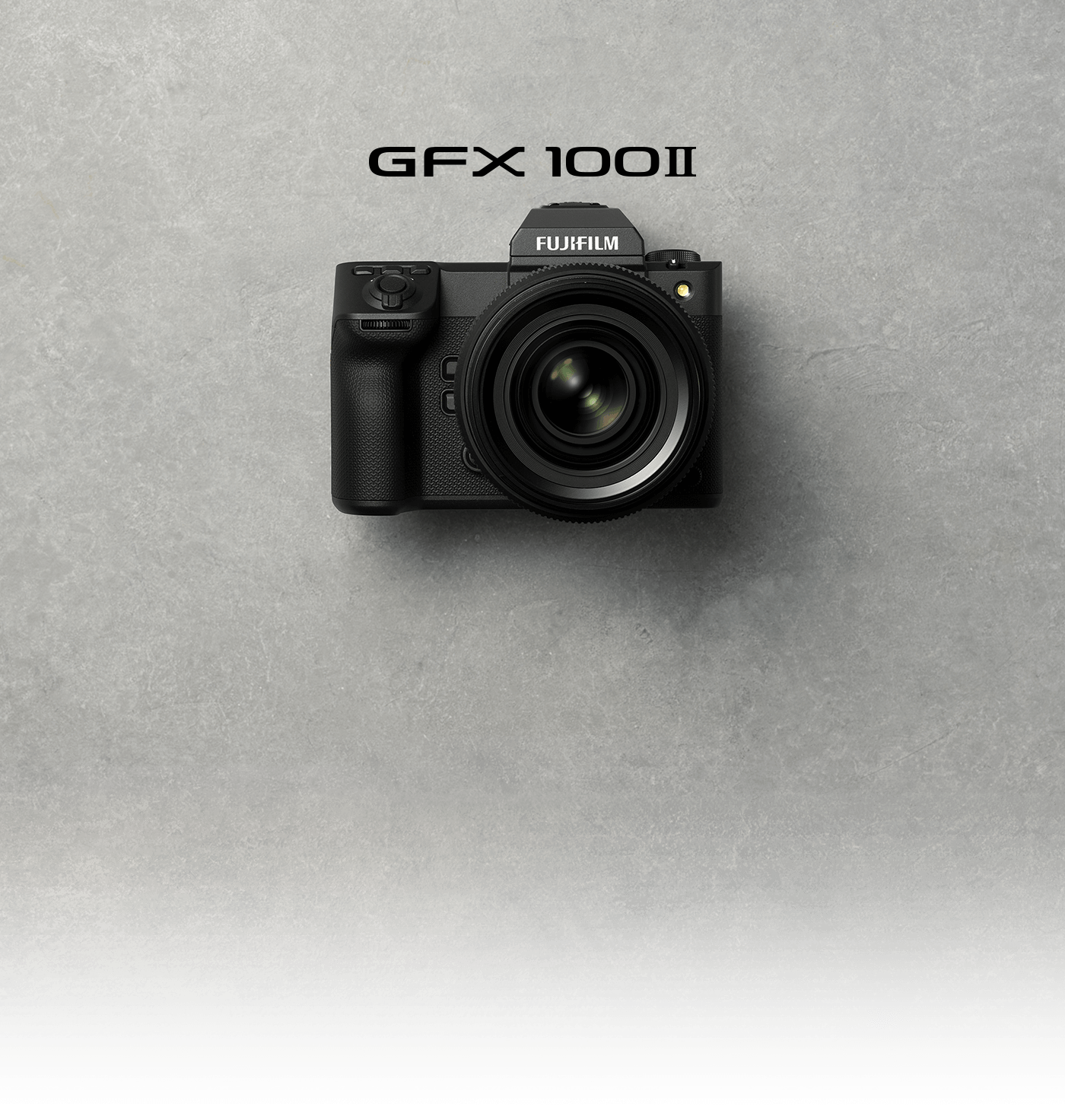
Fujifilm GFX 100 II
For wedding photographers who prioritize the absolute best image quality, the Fujifilm GFX 100 II medium format camera is unmatched. Its 102MP sensor produces stunning images with a unique look, enormous dynamic range, and exquisite color rendering that medium format is known for. It's a compelling choice for those who offer high-end albums and large prints and want to stand apart from the competition. With significant improvements in AF and burst rates over previous GFX models, the 100 II is now reasonably versatile for a wide range of wedding day moments. It's best for photographers who can manage the size and slower handling compared to full-frame systems but want unrivaled results in controlled lighting or creative portraiture.
Pros
- 102MP medium format sensor yields superb detail and color
- Massive dynamic range
- Improved autofocus and usable burst mode
- Large, high-resolution EVF
- Dual card slots for reliability
Cons
- Bulky and less discreet than full-frame cameras
- High price and limited lens selection
Sony A7 IV
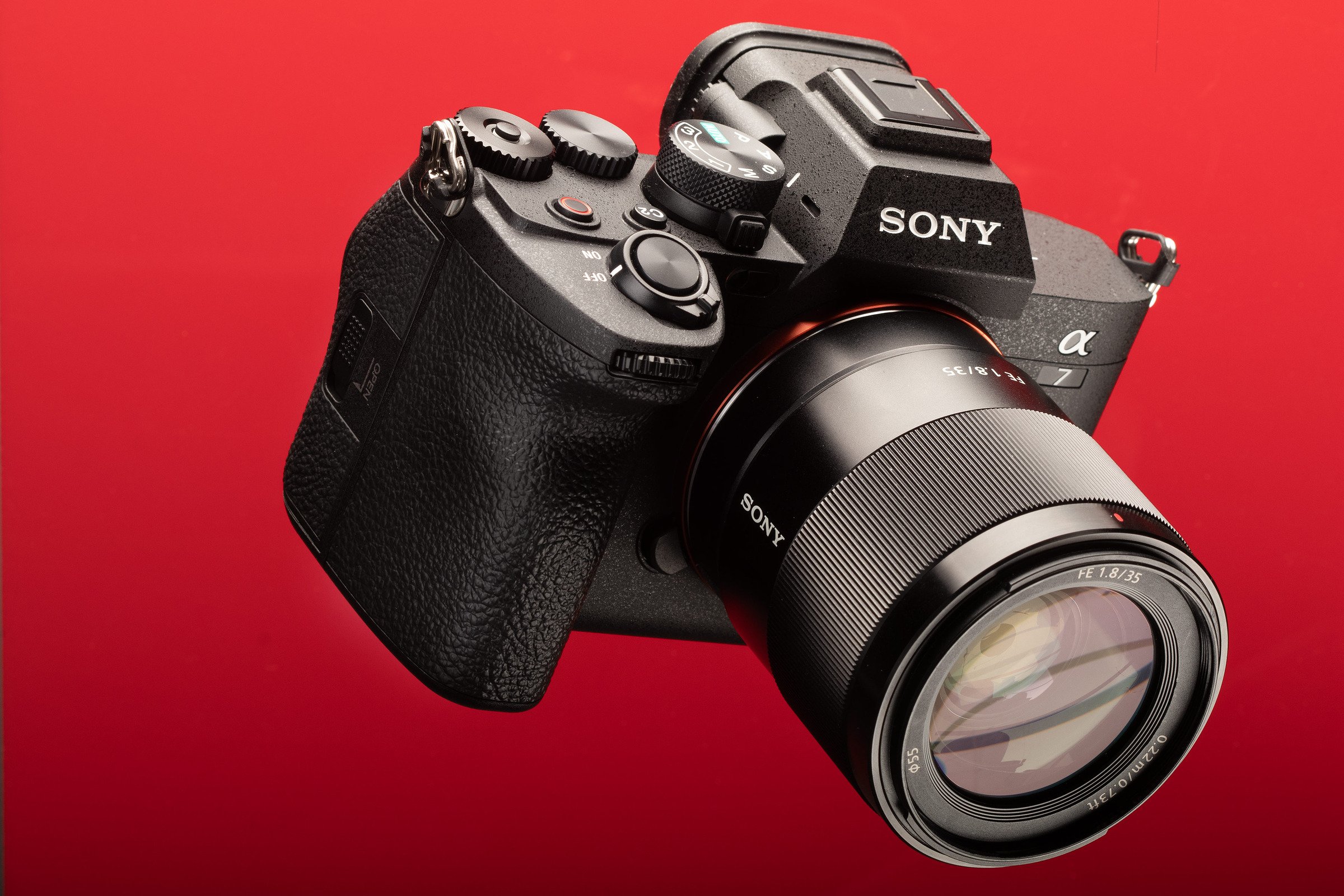
The Sony A7 IV is a versatile and well-priced workhorse, particularly appealing to pros and serious enthusiasts who need a reliable all-rounder for wedding photography. It features a 33MP sensor offering an excellent balance between resolving power and low-light performance. Autofocus is a real highlight, with superb eye-detection across humans and animals, and a deep buffer for prolonged bursts. The A7 IV also impresses as a hybrid camera with strong 4K video capabilities, making it ideal for shooters who incorporate both stills and video into their wedding packages. Its ergonomics, weather sealing, and dual card slots round out a feature set that rivals much pricier bodies.
Pros
- Excellent balance of resolution, speed, and cost
- Fast and accurate Real-Time Eye AF
- Strong 4K 60p video capabilities
- Long battery life and dual card slots
- Flexible lens ecosystem
Cons
- Viewfinder is lower resolution than some rivals
- Menu system can be overwhelming
Canon EOS R6 Mark II
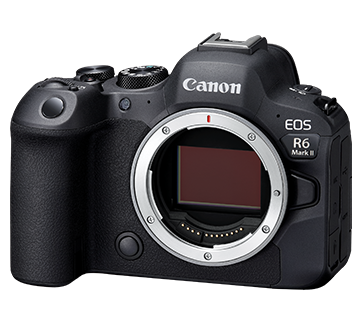
The Canon EOS R6 Mark II offers a compelling blend of speed, modern autofocus, and low-light prowess. Its 24MP sensor produces clean images even at high ISOs, making it a very strong performer in dimly lit churches and reception halls. Dual card slots, rapid burst shooting, and a robust, weather-sealed build meet the practical demands of wedding workflows. While it lacks the ultra-high resolution of the R5 or some competitors, the R6 Mark II prioritizes speed, reliability, and excellent JPEG color science - key strengths for wedding pros who need to deliver consistent results fast. It is also lighter and more affordable than flagship models, making it a great option for lead shooters and second photographers alike.
Pros
- Superb in low light with excellent autofocus
- 40 fps electronic shutter burst
- Dual card slots for redundancy
- Excellent build quality and ergonomics
Cons
- Not as much resolution for large prints or heavy cropping
- Higher-end video options limited
You Might Also Like
Frequently Asked Questions
Do I need a full-frame camera for wedding photography?
Full-frame cameras are popular among wedding pros due to their superior low-light performance, wider fields of view, and dynamic range. However, modern APS-C and even medium format cameras can also deliver excellent results. Full-frame is ideal for those shooting often in challenging light or demanding large prints but is not strictly necessary for high-quality wedding photography.
How important are dual card slots?
Dual card slots are highly recommended for wedding photographers. They allow images to be written to two cards simultaneously, providing immediate backup if one card fails. For professional work, this redundancy is considered essential to protect against memory card corruption or accidental deletion.
Is high megapixel count always better for weddings?
While high-megapixel sensors are great for large prints and cropping images in post, they are not strictly necessary for most wedding work. Sensors between 24MP and 45MP balance detail, manageable file sizes, and low-light performance. Ultra-high-res sensors are best for those who deliver wall-sized prints or need maximum cropping flexibility.
Which autofocus features should I prioritize?
Eye- and face-detect autofocus are particularly useful for weddings, helping to ensure moving subjects like couples, children, and guests are always in sharp focus. Look for cameras with reliable tracking and advanced subject detection, especially in low-light or backlit conditions.
What are the advantages of mirrorless cameras for weddings?
Mirrorless cameras often provide superior autofocus performance, silent shooting for unobtrusive coverage, more accurate real-time exposure previews, and lighter, more compact bodies. Battery life has improved significantly in recent models, making them a top choice for wedding professionals.