Vlogging has quickly become one of the most popular forms of content creation, demanding cameras that are portable, user-friendly, and capable of high-quality video. Modern vloggers need cameras that offer reliable autofocus, articulate touchscreens, solid image stabilization, good audio options, and connectivity for easy sharing. Features like 4K video, compact form factor, and dependable battery life can make a big difference, especially for creators who are filming on the go or capturing their daily lives. When selecting the best cameras for vlogging, we focused on models that deliver excellent video quality, strong autofocus performance, and ease of use in a lightweight package. We considered products across a range of price points and sensor sizes to cater to different styles and levels of content creation, from casual daily vlogs to more cinematic productions. Our rankings prioritize compactness, forward-facing screens, fast autofocus, connectivity, reliable audio, and value for money while ensuring a healthy variety of brands and ecosystems.
Why Trust This List
Our rankings are based on aggregated opinions from real photographers across Reddit communities, combined with detailed specification analysis. We do not accept payment for placement or use affiliate links that influence rankings.
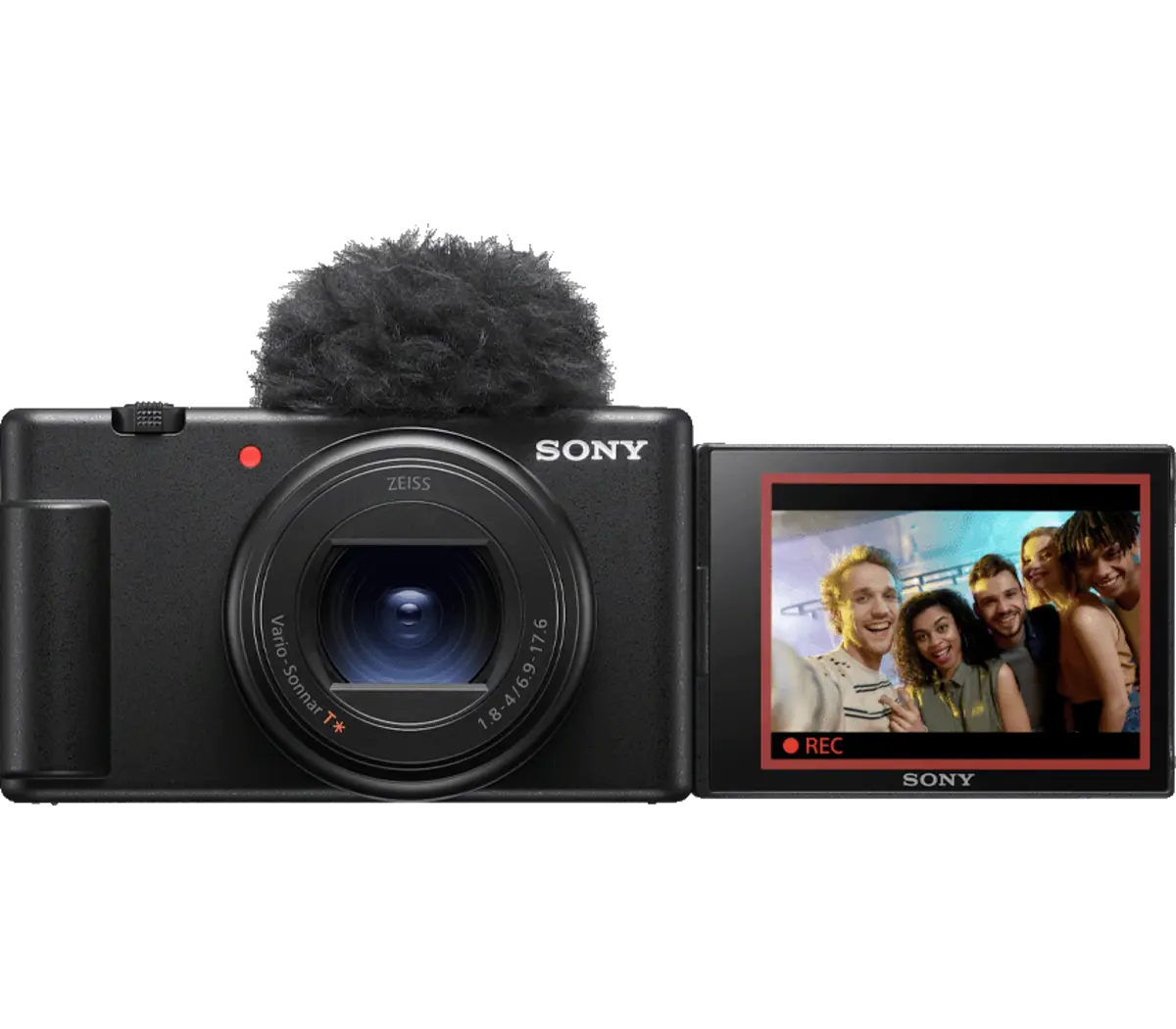
Sony ZV-1 II
The Sony ZV-1 II tops our list as the best overall vlogging camera for most creators. Sony designed the ZV line specifically for content creators, and the ZV-1 II brings convenience, excellent autofocus, and high-quality video in a truly pocketable form. Its 18-50mm equivalent zoom lens offers a versatile field of view perfect for selfie vlogs, while the fast Real-time Eye autofocus ensures sharp focus even during movement. The integrated directional microphone with windscreen provides better audio than most compacts, and a fully articulating touchscreen makes it easy to monitor footage or compose shots solo. This camera is the ideal choice for beginner and intermediate vloggers who prioritize portability and ease of use without sacrificing video quality. It is especially well-suited for travel, lifestyle, and daily vlogging scenarios where on-the-go shooting is the norm.
Pros
- Compact, lightweight, and pocketable
- Excellent autofocus tracking with Real-time Eye AF
- Versatile zoom lens for wide to portrait shots
- Fully articulating touchscreen for selfie shooting
- Strong built-in microphone with windscreen included
Cons
- Limited touchscreen controls for advanced settings
- No headphone jack
- Battery life could be better
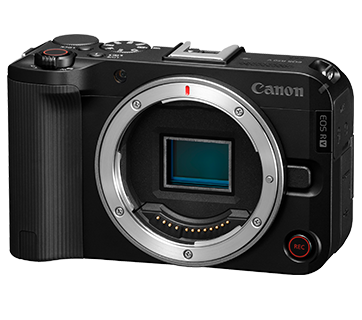
Canon EOS R50 V
The Canon EOS R50 V marks a serious leap forward for Canon's vlogging-friendly cameras. Tailored to creators, it offers a compact and lightweight mirrorless design with Canon's intuitive menus and impressive autofocus. The camera's 24MP APS-C sensor captures detailed video and stills, and its full articulating screen and external mic input make it a great fit for talking head videos and on-the-go capture alike. The R50 V shines for those seeking high image quality, easy streaming, and upgradeable audio options in a portable package. It's ideal for creators who want to grow into a larger lens system and need both mobility and flexibility.
Pros
- Excellent Dual Pixel autofocus for video
- Fully articulated touchscreen LCD
- External microphone input for high-quality audio
- Compact and lightweight mirrorless design
- User-friendly controls and menus
Cons
- Rolling shutter effect in 4K video
- Mediocre battery life
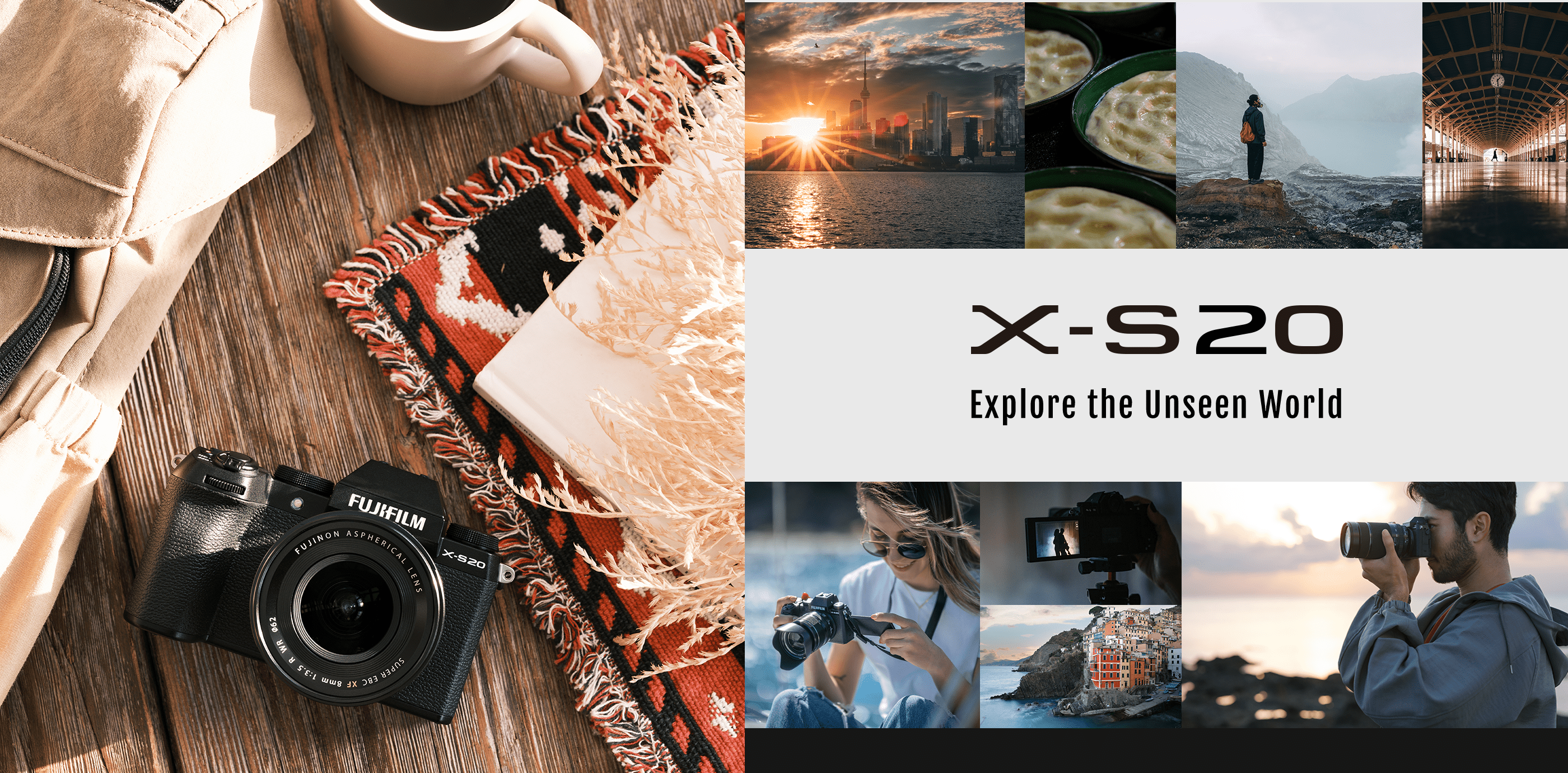
Fujifilm X-S20
Fujifilm's X-S20 is a powerful, versatile choice for serious vloggers who want superb image quality, advanced video features, and reliable stabilization. Its 26MP sensor offers beautiful color and dynamic range, while in-body image stabilization helps keep handheld footage steady. The X-S20 boasts excellent battery life, advanced autofocus, and a fully articulated LCD for flexible shooting angles. It is particularly appealing to creators who want more creative control, film simulation profiles, and plan to use both stills and video in their workflow. Its compact body and microphone/headphone support make it a flexible tool for travel and studio vlogging alike.
Pros
- Effective in-body image stabilization for smoother handheld video
- Great battery life for all-day shooting
- High-quality video options (4K60, 6K open gate)
- Articulating touchscreen and intuitive controls
- Fujifilm's film simulation modes for creative looks
Cons
- Autofocus still not quite as reliable as Sony or Canon for video
- Slightly bulkier than compact rivals
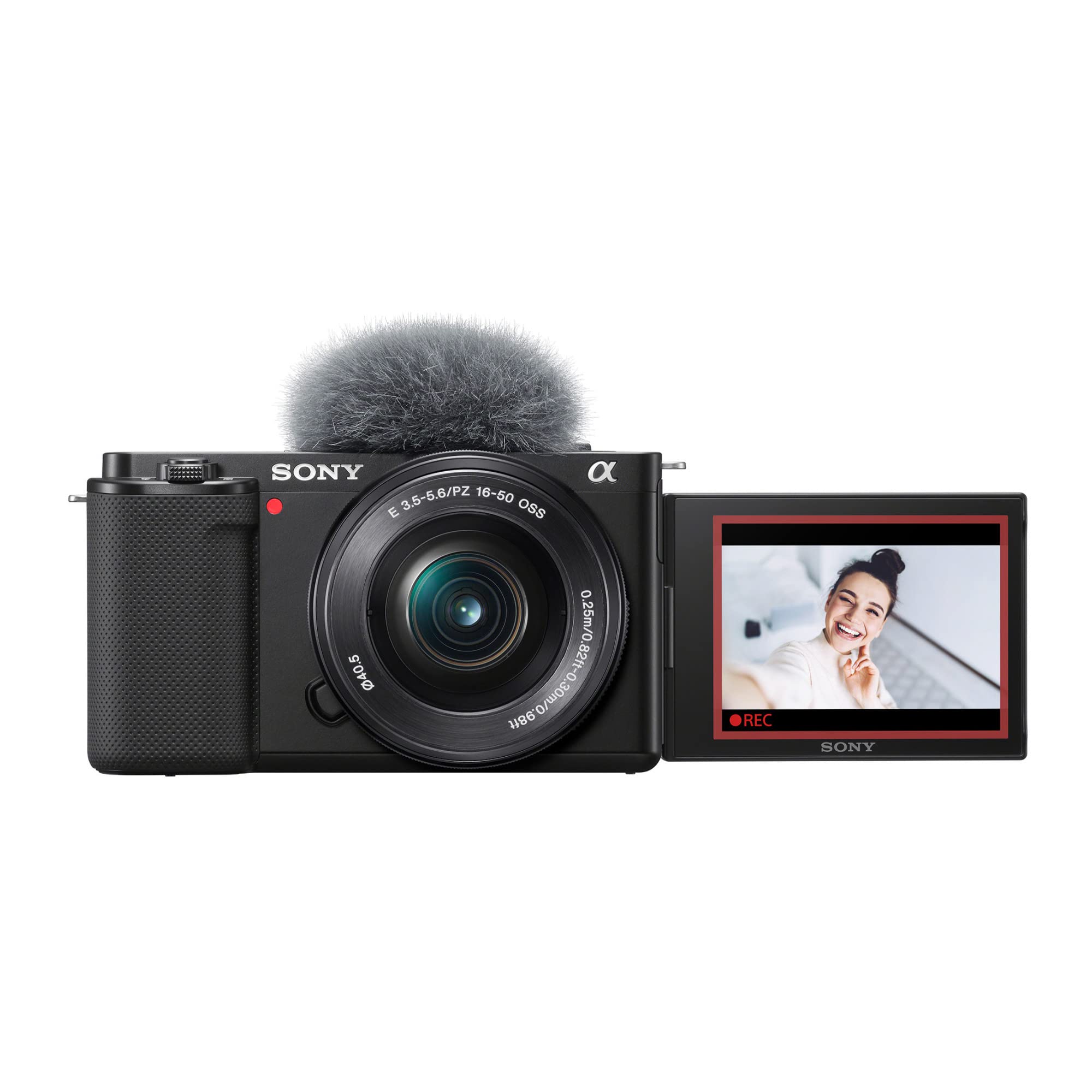
Sony ZV-E10
The Sony ZV-E10 is a compelling hybrid vlogging camera for those who want the flexibility of interchangeable lenses while retaining many of the ZV-1 II's creator-friendly features. It uses a large 24MP APS-C sensor, delivers punchy, detailed 4K video, and features an articulating touchscreen. The ZV-E10 also brings Sony's rapid autofocus, high-quality built-in microphones, and headphone/microphone jacks for advanced audio. It is best for vloggers ready to start investing in lenses to achieve various creative looks. Its compact size keeps it portable, making it great for both at-home and street or travel vlogging.
Pros
- Interchangeable lenses for greater creative freedom
- Excellent autofocus for face and eye tracking
- Articulated LCD for easy self-shooting
- Lightweight body with relatively large sensor
- Strong audio options (mic and headphone jacks)
Cons
- No in-body image stabilization
- Plastic build feels less premium
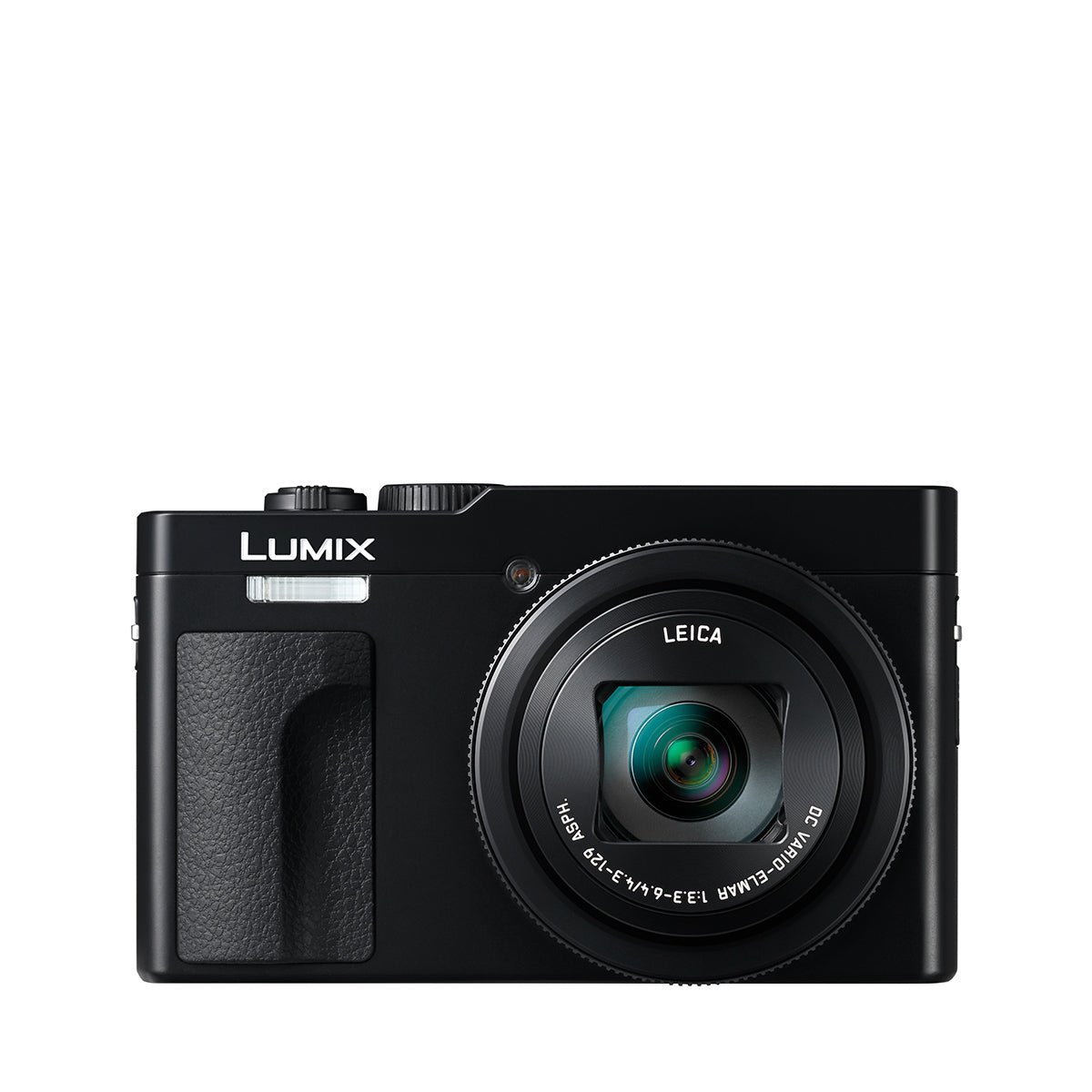
Panasonic ZS99
The Panasonic ZS99 is an excellent choice for vloggers who want extensive zoom reach and advanced video features in a true all-in-one compact. It packs a 20MP 1-inch sensor, long 24-720mm equivalent lens, and offers robust 4K video and Panasonic's reliable stabilization (HYBRID O.I.S.). The ZS99 also features a flip-up touchscreen and solid connectivity options for sharing on the go. The ZS99 is perfect for travel vloggers who need a do-it-all camera without worrying about lenses or accessories. Its zoom range and stabilization let you capture everything from wide-angle landscapes to distant details with ease.
Pros
- Extraordinarily versatile long zoom lens
- Good in-camera stabilization for steady video
- Pocketable all-in-one convenience
- 4K video with strong Panasonic color science
- Flip-up touchscreen for vlogging
Cons
- Smaller sensor limits low-light performance
- No microphone input
You Might Also Like
Frequently Asked Questions
What features should I look for in a vlogging camera?
Look for a camera with a flip-out or articulating screen so you can monitor yourself, fast and reliable autofocus for sharp footage, good audio options like a microphone input or high-quality built-in microphones, and dependable image stabilization. Portability, battery life, and straightforward operation also make a big difference for daily or travel vloggers.
Is it better to get a compact camera or an interchangeable lens camera for vlogging?
Compact cameras are best if you want a turn-key, pocketable solution without worrying about lenses. Interchangeable lens cameras offer more flexibility and future upgrade potential, letting you adapt to different looks or shooting scenarios. Beginners or those prioritizing convenience may prefer compacts, while those wanting more creative control should consider interchangeable lens systems.
Do I need 4K video for vlogging?
While not essential, 4K video is increasingly common and desirable for future-proofing and offering more flexibility in editing. It allows you to crop or reframe shots without losing quality. However, good 1080p can still look excellent online, especially when paired with strong color and stabilization.
How important is image stabilization for vloggers?
Image stabilization is extremely valuable for vloggers who shoot handheld, walk-and-talk videos, or travel content. It makes footage smoother and more watchable without needing a gimbal. If your camera lacks in-body stabilization, consider lenses with optical stabilization or using a compact with effective digital or optical stabilization built in.
What about audio - do I need an external microphone?
Great audio is critical for viewer engagement. Built-in mics have improved, especially in cameras designed for vlogging, but using an external microphone almost always yields better results, especially in noisy or outdoor environments. Cameras with a microphone input are most flexible, but some compacts now feature surprisingly good built-in directional mics.
Can I live stream or use these cameras as a webcam?
Many modern vlogging cameras can be used as high-quality webcams or for live streaming, often via USB connection or clean HDMI out. Check each camera's specific connectivity and software support before purchasing if streaming is important for your workflow.