Filmmaking demands a camera that goes beyond taking great stills. Video-centric shooters look for cameras with excellent video resolution (ideally 4K or higher), robust codecs, high dynamic range, reliable autofocus during video, exceptional low-light performance, and professional features like log profiles, high frame rates, and advanced audio inputs. Equally important are factors like battery life during extended shooting, weather sealing, and lens ecosystem options. For this best-of list, we assessed performance based on both technical capabilities and real-world experience, considering criteria such as image quality, color science, overheating behavior, workflow features (like IBIS, audio, and monitoring outputs), ergonomics, and system flexibility. We favored cameras with strong reputations among filmmakers, broad lens support, and recent innovations in video. To ensure balance, we included excellent options across multiple brands and sensor sizes, recognizing that both full-frame and APS-C (as well as medium format in rare cases) can have a place in a filmmaker's toolkit.
Why Trust This List
Our rankings are based on aggregated opinions from real photographers across Reddit communities, combined with detailed specification analysis. We do not accept payment for placement or use affiliate links that influence rankings.

Sony A7S III
The Sony A7S III continues to be the top pick for filmmakers, thanks to its unmatched video-centric feature set. Its 12MP full-frame sensor may seem modest, but excels in low-light, dynamic range, and color retention. Offering 4K60p 10-bit 4:2:2 internal recording, up to 4K120p for slow-motion, and a robust array of professional video features like All-Intra XAVC S-I, S-Log3, and dual card slots, the A7S III is optimized for demanding shoots. Overheating is virtually nonexistent due to its advanced cooling design, making it a workhorse for long takes and high-pressure sets. This camera is a favorite for both high-end indie filmmakers and commercial videographers who need reliability, stellar autofocus, and flexibility. The extensive Sony FE lens ecosystem further cements its place as the most capable all-rounder for serious filmmaking.
Pros
- Superb low-light performance
- Best-in-class autofocus for video
- Internal 4K 10-bit 4:2:2 up to 120p
- Reliable heat management for long shoots
- Wide selection of video-centric accessories
Cons
- Lower stills resolution not optimal for hybrid shooters
- Expensive compared to some competitors
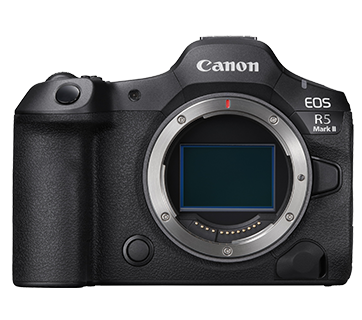
Canon EOS R5 Mark II
Canon's EOS R5 Mark II takes everything filmmakers loved about the original and pushes the envelope further. With expected improvements in dynamic range, rolling shutter, and robust internal 8K/4K video modes, the R5 Mark II addresses previous overheating concerns while delivering class-leading image quality. Advanced autofocus with deep learning subject detection, dual card slots, and C-Log color profiles make this camera as versatile on a documentary shoot as it is on a commercial set. The EOS R5 Mark II stands out for creators seeking both unrivaled image quality and a hybrid workflow. Its color science, widespread lens support, and deep feature set make it a compelling option for Canon users and those wanting spectacular footage straight out of camera.
Pros
- Internal 8K and improved 4K recording options
- Great Canon color science
- Advanced autofocus and subject tracking
- Effective in-body stabilization
- Dual card slots for redundancy
Cons
- Canon RF lens selection is still maturing
- High price point
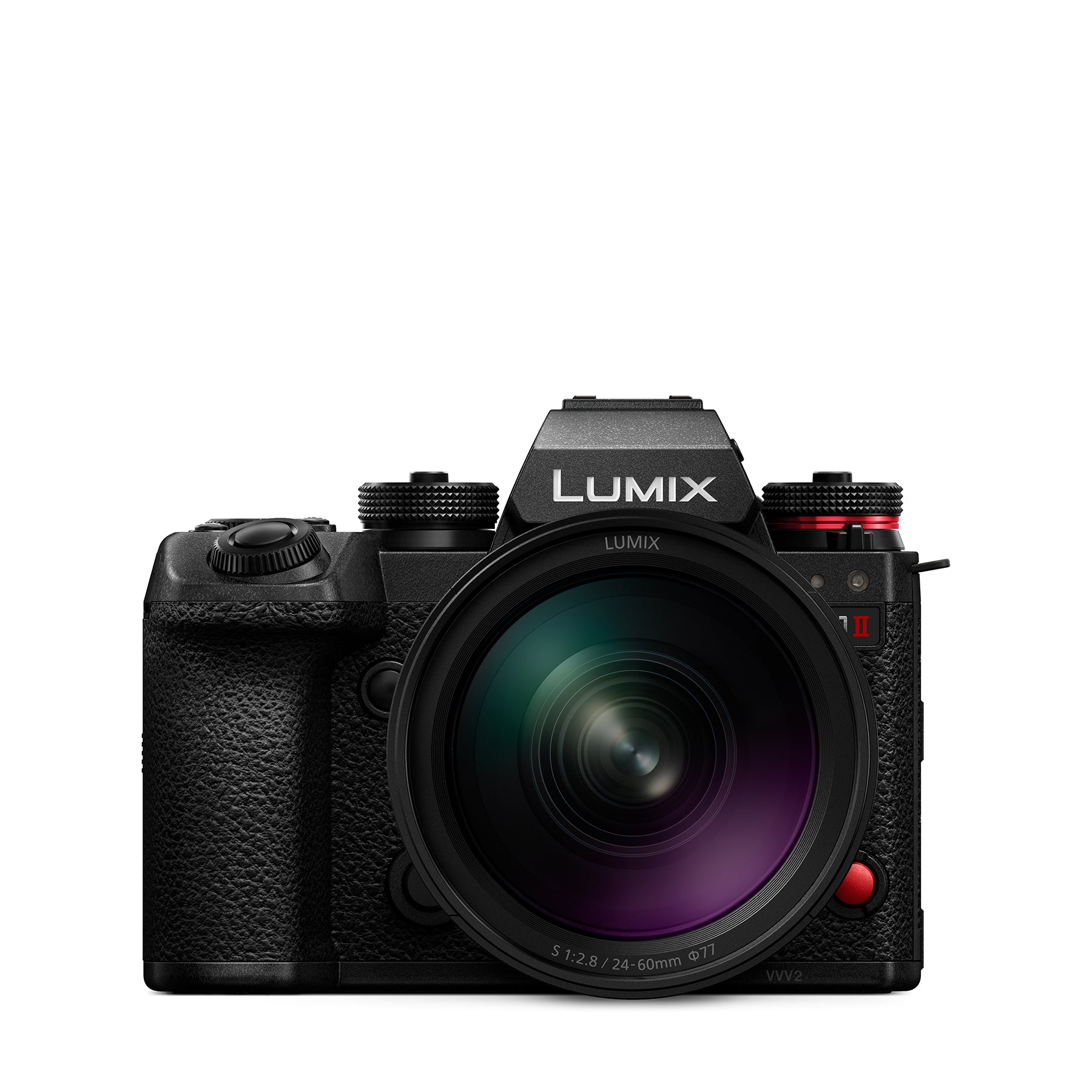
Panasonic S1 II
The Panasonic S1 II builds on the brand's strong video reputation with high-end features at a competitive price. With 6K video, unlimited recording times, and full V-Log/V-Gamut support, this camera is a true hybrid for filmmakers needing maximum flexibility. Dual native ISO and robust 10-bit internal recording cater to professionals and aspiring cinematographers alike, while improved autofocus closes the gap with Sony and Canon. The S1 II's rugged build, intuitive touchscreen controls, and highly effective IBIS make it a workhorse on set, especially for solo operators and documentary makers who need both durability and creative flexibility. It's also compatible with the growing L-mount ecosystem, giving shooters a wide lens selection.
Pros
- Unlimited recording in all modes
- 10-bit internal up to 6K/30p
- Excellent in-body stabilization
- Full suite of professional video features
- Dual gain ISO for exceptional low light
Cons
- Autofocus still isn't best-in-class
- Large and heavy body
Fujifilm X-H2S
The Fujifilm X-H2S brings flagship-level filmmaking power to the APS-C market. Its stacked sensor enables internal ProRes and 10-bit 4:2:2 recording up to 6.2K/30p or 4K/120p. Renowned for its color science and film simulation modes, it offers a distinctive look and robust editing headroom. Combined with a well-designed body, full-sized HDMI, and excellent battery life, the X-H2S is a fantastic value for filmmakers wanting versatility and portability without sacrificing professional features. The X-H2S is a top choice for documentarians, event shooters, and brands prioritizing fast readout and great slow-motion. Its mature X-mount lens ecosystem covers every creative need, cementing Fujifilm's place among top video hybrid brands.
Pros
- Stacked sensor for fast readout and minimal rolling shutter
- Internal ProRes and 10-bit 4:2:2 up to 6.2K
- Top-notch film simulation modes
- Full-sized HDMI and pro-level controls
- Great battery life
Cons
- Autofocus lags behind Sony/Canon for tricky subjects
- Not full-frame
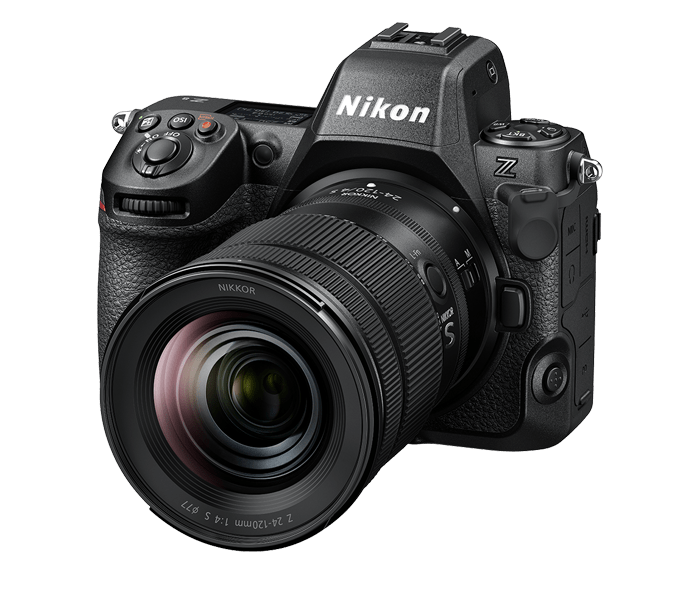
Nikon Z8
The Nikon Z8 is essentially a compact version of Nikon's flagship Z9 but at a more approachable price and size, making it one of the best all-rounder video cameras on the market. Offering 8K60 and 4K120 internal recording, built-in vertical grip ergonomics, and an expansive suite of advanced video features (including RAW video), the Z8 appeals to professional filmmakers and commercial creatives needing uncompromising quality and flexibility. Its color fidelity, reliable autofocus, and impressive low-light capability make the Z8 a versatile tool for narrative, documentary, and high-end corporate work. Nikon has also improved its Z-mount lens lineup, so creatives have more choices than ever for cinematic work.
Pros
- Internal 8K60 and 4K120 video recording
- 10-bit and RAW recording options
- Reliable hybrid autofocus for video
- Solid build and pro ergonomics
- Improved lens selection for video
Cons
- Large body for handheld work
- Battery life could be longer for video work

Sony ZV-E1
The Sony ZV-E1 targets solo content creators and documentary filmmakers, blending a full-frame sensor with compact, user-friendly design. It delivers high-quality 4K60/120p video, exceptional low-light, and strong autofocus, all packed into a body smaller than most competitors. Simplified touch menus and advanced AI-powered subject detection make the ZV-E1 ideal for one-person crews, travel shooters, and vloggers stepping up to cinematic quality. While not as externally robust as flagship bodies, its feature-to-size ratio and workflow efficiency are game-changing for creators who prioritize portability and speed.
Pros
- Full-frame quality in an ultra-compact body
- Excellent low-light and color output
- 4K60/120p video with S-Log3
- Best-in-class video autofocus
- User-friendly controls and touch menu
Cons
- Fewer physical controls for advanced users
- Rolling shutter visible in some fast pans
You Might Also Like
Frequently Asked Questions
What features should I prioritize in a filmmaking camera?
Key features include the ability to shoot high-quality 4K (or higher) video, robust 10-bit color options, reliable autofocus for moving subjects, good low-light performance, and long recording times without overheating. Consider in-body stabilization, pro-level audio inputs, and a system with a strong native lens selection.
Do I need a full-frame camera for filmmaking?
Full-frame cameras offer superior low-light performance and depth of field, but many APS-C and even Micro Four Thirds cameras provide excellent results and often more manageable file sizes and costs. Choose the format that fits your storytelling style, lens needs, and budget.
How important is internal recording bitrate and codec?
A higher bitrate and advanced codecs (like 10-bit 4:2:2 and All-Intra or ProRes) give more flexibility in color grading and post-production, allowing you to push your footage further without artifacts. This is crucial if you intend to grade your footage extensively or work in professional post-production environments.
Should I worry about camera overheating during video recording?
Yes - for longer takes and professional work, especially in high resolutions or frame rates, choose a camera with a strong reputation for thermal management. Overheating can disrupt shoots and limit your creative options, so check user feedback and review tests for real-world reliability.
Is in-body image stabilization (IBIS) necessary for filmmaking?
While not strictly essential (especially if you use gimbals or tripods), IBIS provides significant benefits for handheld shooting, run-and-gun documentary work, or when using non-stabilized lenses. It's a strong asset for solo operators or for small crew productions.
How much should I budget for lenses and accessories when choosing a camera?
A significant portion of your filmmaking budget should be reserved for quality lenses, ND filters, microphones, and monitoring solutions. Investment in glass and audio often has a greater long-term impact than camera bodies alone. Prioritize versatile zooms or fast primes, plus any must-have filmmaking accessories.