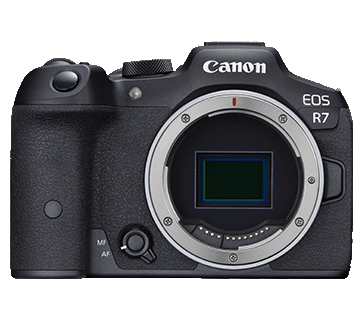
The Canon EOS R7 and Fujifilm X-H2 represent two of the most compelling mirrorless camera options in the APS-C segment, appealing to both amateurs and experienced photographers alike. With their modern features, extensive capabilities, and portability, many buyers find themselves comparing these two cameras to determine which option fits their needs best. The choice often comes down to specific use cases, such as wildlife photography, videography, or street photography, making understanding their unique attributes crucial.
The key differentiators between the two cameras include sensor size and resolution, autofocus performance, video recording capabilities, and build quality. While the R7 offers a solid performance with its 33 MP sensor and robust autofocus system, the X-H2 boasts an impressive 40 MP sensor that can provide more detail, ideal for those who prioritize image quality. Additionally, the in-body stabilization systems and battery life will further sway users based on their shooting preferences and needs.
Specifications Comparison
Detailed Comparison
Image Quality
The Fujifilm X-H2 features a 40 MP sensor compared to the 33 MP sensor of the Canon EOS R7, providing an edge in image resolution. This higher megapixel count allows photographers to capture more detail, which is particularly advantageous in large prints or when cropping images. The X-H2 also offers a wider ISO range, extending from 80 to 51,200, while the R7 provides an ISO range of 100 to 32,000, allowing for better performance in low-light situations.
Additionally, the unique color science and film simulations that Fujifilm cameras are known for give the X-H2 a distinct look that many photographers appreciate. While the R7 offers solid image quality, especially in JPEG outputs, the X-H2's superior resolution and tonal range provide more flexibility during post-processing, which can be critical for professional work.
Both cameras perform well in various conditions, and each produces images with excellent clarity and detail. However, for those who prioritize the absolute best image quality and dynamic range, the Fujifilm X-H2 takes the lead.
Autofocus System
The Canon EOS R7 excels in autofocus capabilities, boasting an impressive 651 autofocus points that cover a significant area of the frame compared to the Fujifilm X-H2's 425 points. This comprehensive coverage facilitates better tracking of moving subjects, making the R7 particularly attractive for sports and wildlife photography.
Furthermore, Canon's Dual Pixel AF technology provides smooth and accurate focusing in both video and stills, supporting photographers in capturing fast-moving action. In practical scenarios, users have reported quicker acquisition of focus in challenging lighting conditions, which can make a difference in dynamic shooting environments.
While the X-H2's AF performance is commendable, particularly with its enhanced face and eye detection algorithms, it does not quite match the extensive point coverage and speed of the R7. This aspect could be a decisive factor for buyers whose shooting style involves fast-paced subjects.
Video Capabilities
Both the Canon EOS R7 and Fujifilm X-H2 offer strong video capabilities, each suited for various video creators. They both support 4K video recording, appealing to content creators looking for high-quality footage. However, the R7's video output is capped at 30 frames per second for 4K, while the X-H2 provides options for 4K at up to 60 fps, a critical feature for those looking to achieve smooth motion in their videos.
Moreover, the Fujifilm X-H2 features a more advanced internal codec that supports higher bitrates, enhancing color grading capabilities in post-production. The camera also excels in thermal management, allowing for longer recording sessions without overheating-an essential aspect for filmmakers working on lengthy projects.
While both cameras offer solid video performance, the X-H2 has a notable edge in frame rate and overall video recording capabilities, which makes it the preferred choice for serious videographers.
Build & Ergonomics
The Canon EOS R7 is designed with ergonomics in mind, offering a comfortable grip and intuitive layout that many users find appealing for extended shooting sessions. Its weather-sealed body promises durability in various environments, ensuring that photographers can rely on it in challenging weather.
On the other hand, the Fujifilm X-H2, while also weather-sealed, is slightly bulkier, weighing in at 660 grams compared to the R7's 612 grams. Though this additional weight could be a factor for some users, the X-H2 offers a highly customizable control scheme, including dedicated dials for exposure settings, which many photographers prefer for quick adjustments.
In terms of overall build quality, both cameras are robust and well-constructed, providing good resistance against the elements. However, the choice may come down to personal preference regarding ergonomics and layout. Those who prioritize lightweight portability may prefer the R7, while users who value manual controls may lean towards the X-H2.
Battery & Storage
When considering battery life, the Fujifilm X-H2 offers slightly better performance, rated for approximately 680 shots compared to the Canon EOS R7's 660 shots. This small difference is not significant enough to be a breaking point but can contribute to longer shooting sessions without the need for a battery change.
Both cameras utilize the latest battery technology, with each supporting USB-C charging, which provides convenience while out in the field. In terms of storage, both cameras utilize SD card slots, but the X-H2 supports UHS-II for faster write speeds, which is beneficial for high-resolution photo and video files, especially in continuous shooting or 4K video scenarios.
While neither camera has a dramatically superior battery or storage performance, the minor advantages found in the X-H2 may appeal to those focusing on intensive shooting experiences.
Value for Money
The Canon EOS R7 is priced at $1,499, making it an attractive option for those seeking a high-performance APS-C camera without breaking the bank. Its balance of features makes it suitable for hobbyists and semi-professionals who want excellent performance for both photography and casual videography without extensive investment.
Conversely, the Fujifilm X-H2 comes with a higher price tag of $1,999. The additional cost can be justified by its increased megapixel count, better video performance, and advanced features. For professionals and serious enthusiasts who require the best image quality and video capabilities, this price may be worth the investment.
Ultimately, the choice comes down to intended use. The R7 offers great value for entry into the mirrorless system and a strong performance overall, while the X-H2 presents features that cater better to advanced users and cinephiles. Those on a tighter budget might prefer the R7, while professionals might see the investment in the X-H2 as worthwhile.
Our Verdict
In conclusion, the Fujifilm X-H2 emerges as the overall winner due to its superior image quality, advanced video capabilities, and strong build. While the Canon EOS R7 offers excellent autofocus performance and a lower price point, the balance of features in the X-H2 positions it as a better choice for professionals and dedicated enthusiasts who prioritize high resolution and advanced video recording options. For those who are budget-conscious or who predominantly shoot fast-moving subjects, the R7 remains a strong contender. Each camera excels in different areas, making the final decision dependent on the specific needs and preferences of the buyer.
Canon EOS R7
Fujifilm X-H2
Also Compare
Frequently Asked Questions
Which camera is better for wildlife photography?
The Canon EOS R7 has a more extensive autofocus system, making it better suited for tracking wildlife and fast-moving subjects. Its dual pixel AF allows for smooth focusing in various conditions.
What are the video recording differences?
The Fujifilm X-H2 supports 4K at up to 60 fps compared to the Canon EOS R7's maximum of 30 fps, making it the better choice for dynamic video work requiring smooth motion.
Is image quality significantly different between the two?
Yes, the Fujifilm X-H2 has a higher resolution of 40 MP versus the R7's 33 MP, providing better detail and color reproduction, especially in low-light situations.
What is the weight difference?
The Canon EOS R7 is slightly lighter at 612 grams compared to the Fujifilm X-H2, which weighs 660 grams. Portability can be a consideration for travel photographers.
How do the battery lives compare?
The battery life is quite comparable, with the X-H2 rated for about 680 shots and the R7 around 660 shots. The slight difference is negligible for most users.