Pros & Cons
Pros
- Offers an immersive 3D capture experience with VR capabilities.
- Lightweight design allows for portability and ease of use.
- Effective for creating stereoscopic equirectangular VR180 footage.
- Compatible with Canon's RF technology, ensuring integration with newer systems.
- Compact size makes it suitable for various shooting scenarios.
Cons
- Auto-focus only operates in still photo mode, limiting versatility for video.
- Some users question the practical application of a dual fisheye lens for general photography.
- Resolution limitations when compared to other cameras might impact quality expectations.
- Focus distance is quite close, which can be limiting for some shots.
Verdict
The Canon RF-S 3.9mm f/3.5 STM Dual Fisheye lens receives mixed feedback. While it is praised for its unique 3D capture capabilities and lightweight design, concerns about its autofocus limitations and specific use cases in photography prevent it from being a universal recommendation for all users.
Specifications
| Focal Length | 3.9mm |
| Max Aperture | f/3.5 |
| Mount | RF |
| AF Motor | STM |
| Weight | 290g |
| Dimensions | 112.1 x 83.7 mm |
Frequently Asked Questions
Is the RF-S 3.9mm f/3.5 Dual Fisheye lens compatible with full-frame Canon RF cameras?
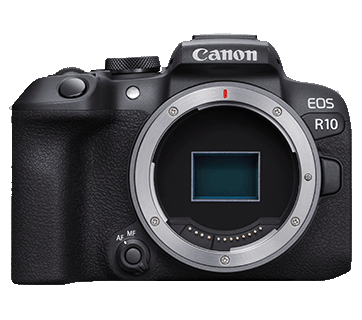
No, it is designed specifically for Canon's APS-C RF-mount bodies (like the EOS R7 and R10). Using it on a full-frame body would result in heavy vignetting and compatibility issues.
Can I use autofocus during video recording?
Currently, autofocus only operates in still photo mode. During video, you must manually pre-focus before recording, which may limit efficiency for dynamic scenes.
Is this lens useful for regular (non-VR) photography?
Not really. The lens is engineered for stereoscopic VR180 capture with intentional, extreme distortion. For traditional photography or landscape work, image output will not be suitable.
How does the resolution compare to the full-frame Canon RF 5.2mm f/2.8L Dual Fisheye?
APS-C sensors paired with the RF-S 3.9mm provide less final image area and resolving power compared to the full-frame RF 5.2mm, resulting in slightly lower VR180 export resolutions.
Does the lens accept front filters or support internal filters?
No. Due to the bulbous, dual fisheye design, there's no provision for screw-in or internal filters. Care should be taken to protect the front elements.
Compatible Cameras
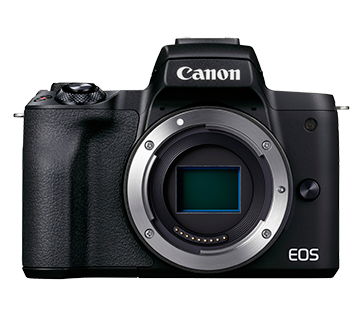
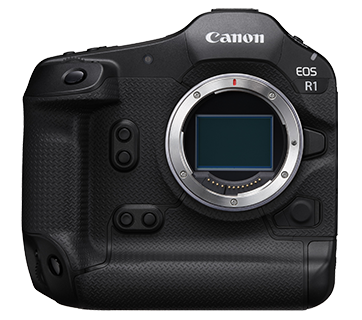
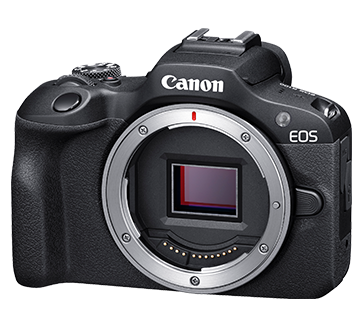
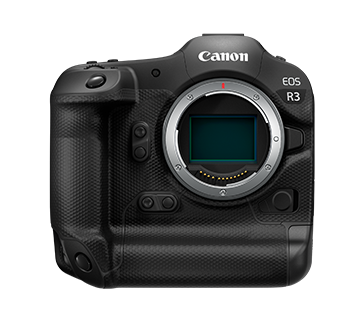
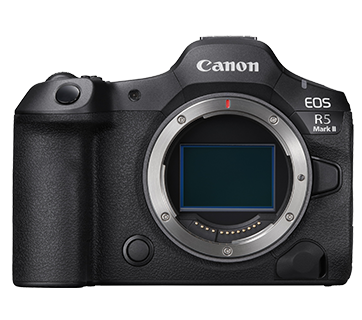
Camera bodies that work with this lens
Related Lenses
Other lenses you might want to consider