Full-frame cameras have become the gold standard for photographers and videographers seeking top-notch image quality, superior low-light performance, and expansive creative possibilities. Whether you're a professional seeking uncompromising results or an enthusiast ready to upgrade, a full-frame sensor delivers shallower depth of field, greater dynamic range, and impressive detail that smaller sensors can't match. Today's full-frame market includes both DSLR and mirrorless models, but mirrorless options have quickly risen to dominance, offering lighter bodies, cutting-edge autofocus, and rapid innovation. When buying a full-frame camera, consider key factors such as resolution, autofocus performance, in-body stabilization, video features, lens ecosystem, and ergonomics. Your style of photography-be it portrait, landscape, wedding, sports, or travel-will dictate your priorities. For this ranking, we focus on performance, feature set, usability, system growth, and overall value as they relate to real-world use. Products are ranked based on a combination of technical excellence and how well they suit a wide range of users and applications.
Why Trust This List
Our rankings are based on aggregated opinions from real photographers across Reddit communities, combined with detailed specification analysis. We do not accept payment for placement or use affiliate links that influence rankings.
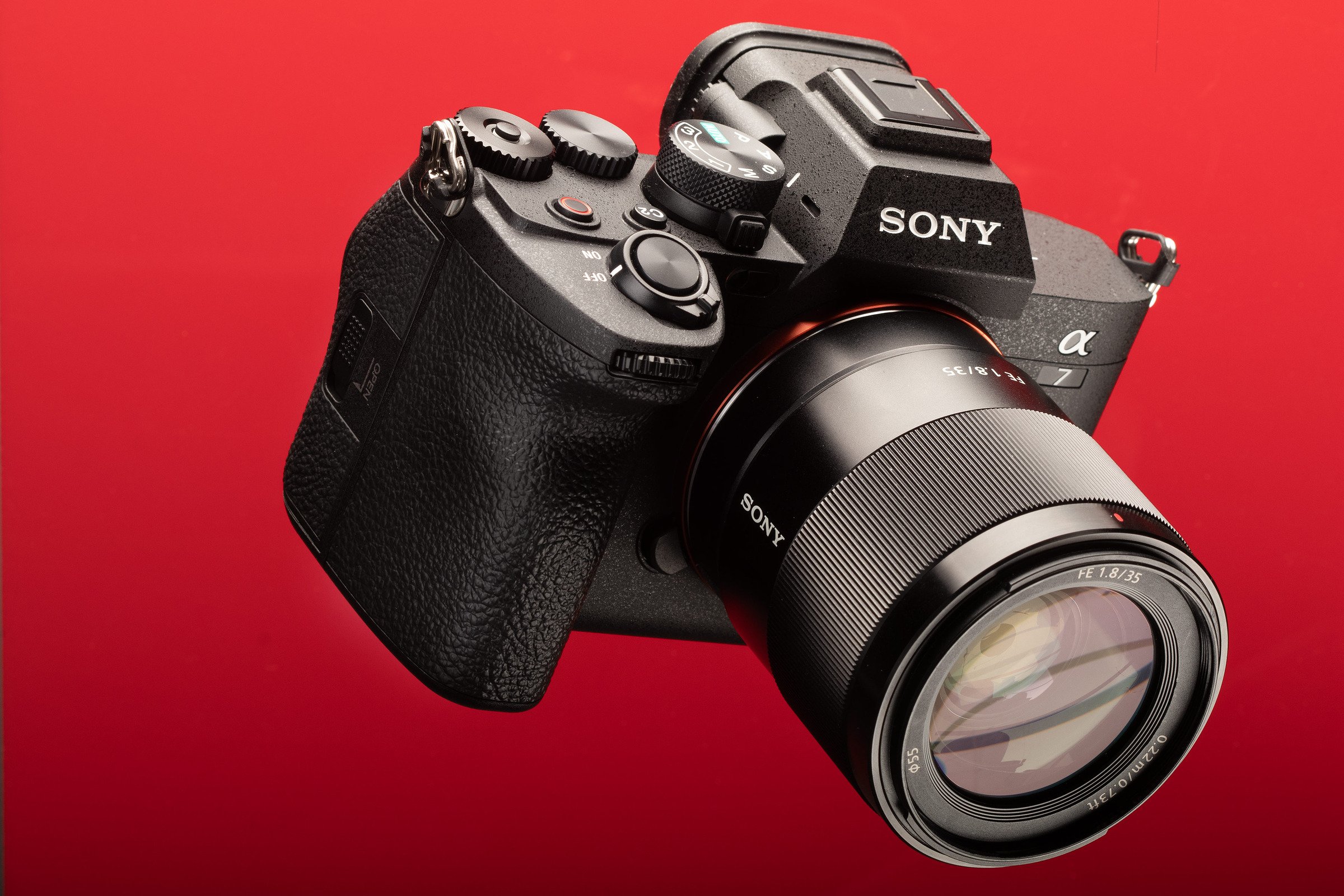
Sony A7 IV
The Sony A7 IV stands out as one of the most well-balanced full-frame mirrorless cameras available, making it a strong choice for photographers and hybrid shooters alike. Its 33MP sensor provides excellent detail and dynamic range, catering well to both portrait and landscape photography. Fast and reliable autofocus with real-time tracking ensures you rarely miss a shot, whether capturing fast action or candid moments. Video shooters benefit from 4K 60p recording, advanced color controls, and given Sony's renowned autofocus, smooth subject tracking during recording. Sony's E-mount ecosystem is another major selling point: the A7 IV slots seamlessly into a vast array of native lenses, covering virtually any photographic need from ultra-wide to super-telephoto. The camera's ergonomics and customizability have also improved over previous generations, offering a tactile, professional shooting experience that appeals to advanced amateurs and working pros. While not the absolute leader in any one category, the A7 IV's blend of performance, versatility, and future-proof features make it the top pick here. It excels as an all-rounder-ideal for enthusiasts, event photographers, hybrid content creators, and anyone needing excellent stills and video in a single package.
Pros
- 33MP sensor offers excellent balance of resolution and noise performance
- Best-in-class autofocus with real-time tracking and eye detection
- Robust 4K video features with 10-bit internal recording
- Large, growing selection of Sony E-mount lenses
- Strong battery life for its class
Cons
- Heavier and slightly larger than some rival models
- Rolling shutter can be noticeable in video when panning quickly
You Might Also Like
Frequently Asked Questions
How do full-frame cameras differ from APS-C or Micro Four Thirds models?
Full-frame cameras have a larger sensor (measuring approximately 36x24mm), which allows for better low-light performance, higher dynamic range, and shallower depth of field compared to APS-C or Micro Four Thirds sensors. This results in superior image quality, more detailed photos, and a greater ability to isolate subjects. However, full-frame cameras and lenses tend to be larger and more expensive, so the decision depends on your specific needs and budget.
What should I prioritize: sensor resolution, autofocus, or video capability?
Prioritize based on your main shooting needs. High resolution is great for landscapes and studio work where cropping and detail matter most. Fast, advanced autofocus benefits sports, wildlife, or event photographers who need to track moving subjects reliably. If video is important, look for features like 4K60p recording, 10-bit color, efficient codecs, and strong autofocus in video mode. Modern hybrid cameras like the Sony A7 IV offer a strong blend of these capabilities.
Why is the lens ecosystem important when choosing a full-frame camera?
Lens selection greatly affects your creative possibilities and the value of your camera system over time. A well-developed lens ecosystem means you'll have access to a wide range of high-quality options-for portraits, landscapes, sports, macro, and more. Sony's E-mount, for example, is backed by a vast array of native and third-party lenses, making it easier to find the perfect glass for any situation.
Are mirrorless full-frame cameras better than DSLRs?
Mirrorless full-frame cameras typically offer advantages such as lighter bodies, faster and more advanced autofocus systems (especially eye tracking), silent shooting, better video features, and more rapid technological updates. DSLRs still have their strengths, like longer battery life and optical viewfinders, but the gap is closing fast and most new full-frame releases are mirrorless. For most buyers-especially those starting fresh-a mirrorless system is usually the better long-term investment.
How important is in-body image stabilization (IBIS) in a full-frame camera?
In-body image stabilization compensates for hand shake, enabling sharper images at slower shutter speeds and smoother handheld video footage. It's especially useful for low-light photography or when using telephoto lenses. Most modern full-frame mirrorless cameras, including the Sony A7 IV, include effective IBIS, making handheld shooting easier and more versatile across many conditions.