Finding the best camera under $2,500 is more exciting than ever, with options spanning everything from advanced APS-C mirrorless cameras to full-frame models and high-end compacts. In this price range, buyers should focus on sensor size, autofocus performance, burst speed, lens ecosystem, and ergonomics to match their shooting style. Key use cases, such as photo quality, video capabilities, portability, and overall versatility, should guide your choice. For our rankings, we thoroughly evaluated models from all major brands, considering real-world image quality, autofocus reliability, build quality, lens options, and standout features. We also factored in value for money and overall user experience. The cameras that rose to the top are not just technically powerful - they are genuinely enjoyable to use and deliver consistently excellent results for their target audiences.
Why Trust This List
Our rankings are based on aggregated opinions from real photographers across Reddit communities, combined with detailed specification analysis. We do not accept payment for placement or use affiliate links that influence rankings.

Fujifilm X-T5
The Fujifilm X-T5 stands at the top for photographers seeking fantastic image quality, refined controls, and a thriving ecosystem at an accessible price. Its 40MP sensor delivers gorgeous, detailed files with impressive dynamic range, and it supports advanced video features to satisfy hybrid shooters. The classic, tactile control dials make it a joy for enthusiasts and advanced users who appreciate a more direct experience. In real-world use, the X-T5 is fast, with responsive autofocus and a robust burst rate, making it suitable for everything from street photography to landscapes and even fast action. Its compact form factor and weather sealing make it travel-friendly. While it is not a full-frame camera, the X-T5 outpaces many peers in sheer versatility, image quality, and photographic enjoyment at this price. It's a superb all-rounder for passionate photographers who want top-tier APS-C performance.
Pros
- Superb 40MP image sensor with excellent detail and dynamic range
- Classic, intuitive dials and robust body design
- Strong autofocus and reliable burst shooting
- Versatile video capabilities (6.2K/30p, 4K/60p)
- Large, high-resolution EVF
Cons
- Not a full-frame sensor
- Grip can feel small for those with large lenses
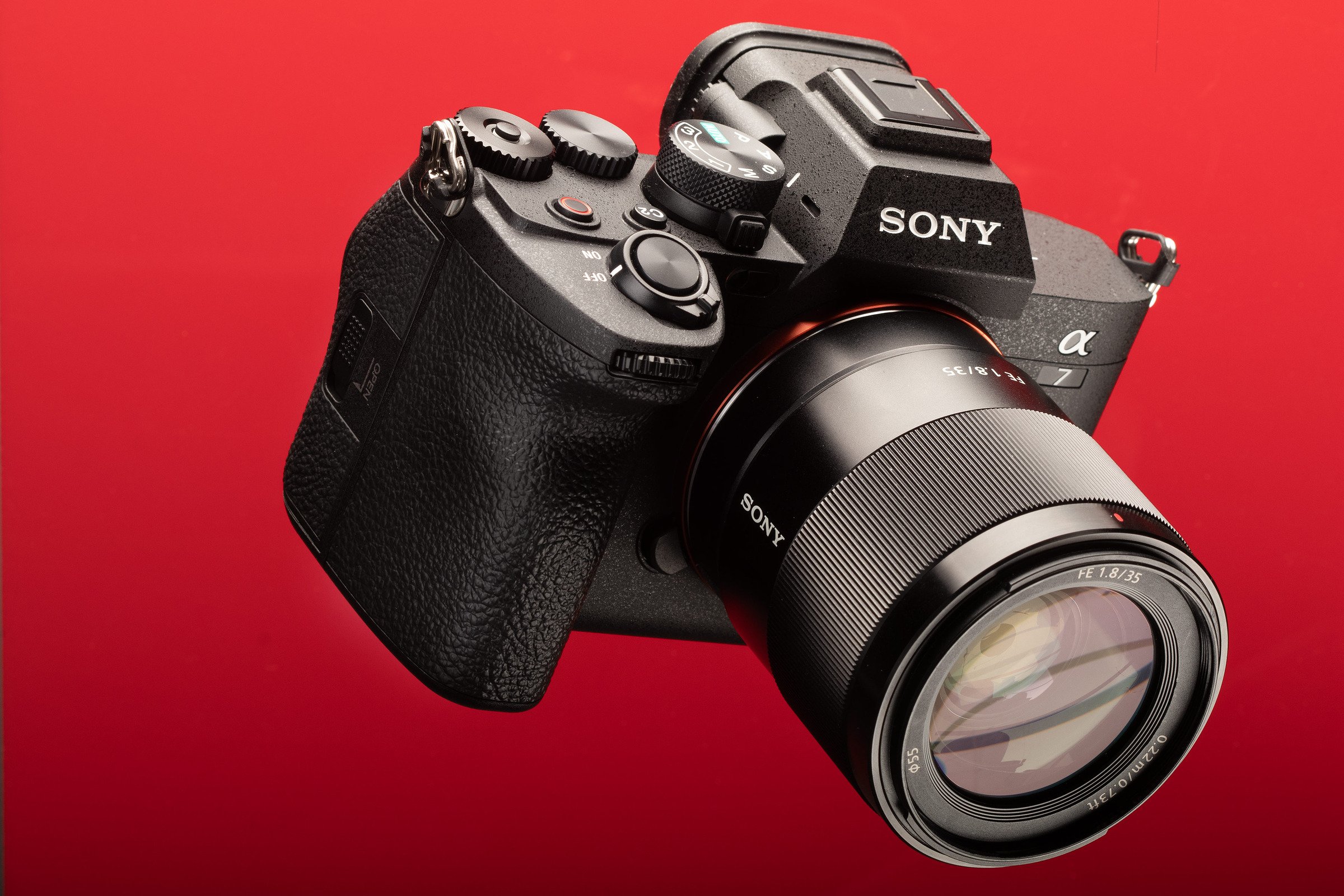
Sony A7 IV
Sony's A7 IV is the most versatile full-frame mirrorless camera you can find under $2,500 today. Its 33MP sensor delivers class-leading image quality, excelling in both low light and high contrast scenes. The A7 IV's real draw is its state-of-the-art autofocus, which tracks subjects with impressive speed and intelligence for both photography and video, making it ideal for hybrid creators who demand the best of both worlds. With excellent in-body image stabilization, 10-bit 4K video, and a deep buffer, the A7 IV manages everything from weddings to sports and travel. Its vast E-mount lens selection adds serious system flexibility. While the price creeps towards the higher end of this segment, the A7 IV justifies it with all-around excellence and future-proofing features. It is the best choice for those wanting to invest in a full-frame platform without making compromises.
Pros
- Outstanding 33MP full-frame image quality
- Class-leading autofocus with AI subject tracking
- Advanced 10-bit 4K video options
- Extensive lens and accessory ecosystem
- Highly customizable controls
Cons
- Menu system can be complex
- Single card slot (CFexpress) for the fastest speeds
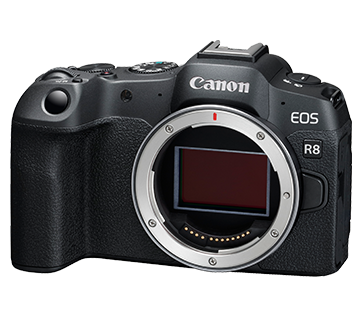
Canon EOS R8
Canon's EOS R8 brings cutting-edge full-frame performance into an extremely light and compact body, making it a standout for travel and everyday use. Leveraging the same sensor and autofocus system as Canon's higher-end R6 Mark II, the R8 delivers stunning image quality, reliable subject detection, and 4K/60p video performance. It is particularly well-suited for enthusiasts upgrading from APS-C or content creators seeking a full-frame camera that's easy to handle. Despite its slim build, the R8 does not compromise much on features, though it omits in-body stabilization and boasts only one card slot. Its RF mount lens choices are expanding rapidly. For photographers or video creators who prioritize image quality, portability, and ease of use, the EOS R8 is an excellent full-frame entry point.
Pros
- Excellent 24MP full-frame sensor
- Lightest full-frame mirrorless in its class
- Reliable autofocus with smart subject tracking
- 4K/60p uncropped video with great color
Cons
- No in-body image stabilization
- Single memory card slot
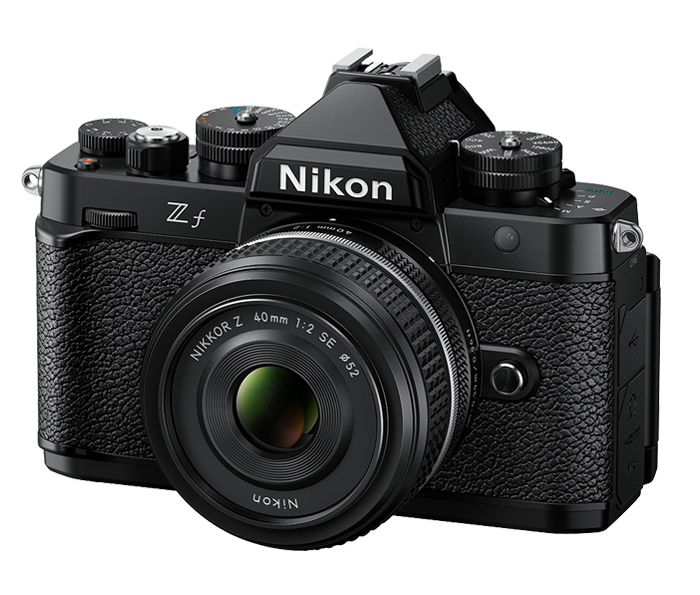
Nikon Zf
The Nikon Zf combines retro-inspired style with modern full-frame imaging and the latest autofocus and video technology. Its 24.5MP BSI sensor achieves outstanding detail and low-light performance, while Nikon's newest subject tracking AF delivers reliability in both photo and video modes. The Zf's tactile dials and magnesium alloy construction will appeal to those who prize a classic design, but under the hood, it is all modern performance. With in-body image stabilization and Nikon's ever-growing Z-mount lens lineup, the Zf is excellent for street, event, and portrait photography. It is a fantastic all-around performer, especially for shooters who want analog charm without sacrificing cutting-edge capabilities. Its primary limitations are its single card slot and somewhat limited battery life, but those are reasonable trade-offs at this price.
Pros
- Classic, stylish body with modern controls
- Impressive low-light and dynamic range performance
- Advanced autofocus and subject detection
- 7-stop in-body image stabilization
- Dedicated stills/video switches and controls
Cons
- Single memory card slot
- Battery life could be better

Sony A6700
The Sony A6700 is the powerhouse APS-C camera for hybrid shooters who prioritize speed, compactness, and top-tier autofocus, especially for video. Its new 26MP BSI sensor packs superb dynamic range and low-light handling, while the latest autofocus system brings AI-powered tracking for reliable results with people, animals, and objects. The A6700's extensive customizability, in-body image stabilization, and high-speed burst shooting make it a strong choice for sports, wildlife, travel, and content creation. It is tailored to vloggers and filmmakers as well, with 4K/120p and 10-bit video. While ergonomics may feel cramped for some, its sheer versatility makes it the APS-C camera to beat for video and fast action in this price segment.
Pros
- 26MP BSI sensor with excellent image quality
- Class-leading AI autofocus and tracking
- Strong video specs including 4K/120p and 10-bit
- Compact, lightweight body
- Good lens selection
Cons
- Menu system can be confusing
- Grip may be small for large lenses

Fujifilm X100VI
The Fujifilm X100VI continues the iconic X100 series with key updates: a new 40MP sensor, powerful phase-detect AF, and 6-stop in-body image stabilization. As a premium fixed-lens compact, it is the definitive everyday, travel, and street camera for those who appreciate simplicity and style without sacrificing quality. The X100VI's fixed 23mm f/2 lens is sharp and versatile, and the camera's physical controls exude classic charm. The hybrid OVF/EVF viewfinder offers a unique shooting experience. This camera is best for photographers who want a premium, portable package and are not looking to build an interchangeable lens system.
Pros
- High-resolution 40MP sensor
- Unique hybrid optical/electronic viewfinder
- 6-stop in-body image stabilization
- Compact and beautifully designed
- Famous Fujifilm colors and film simulations
Cons
- Fixed lens limits flexibility
- Expensive for a compact
You Might Also Like
Frequently Asked Questions
Should I choose a full-frame or APS-C camera under $2,500?
Full-frame cameras generally offer better low-light performance and dynamic range, making them great for portraits, landscapes, and professional work. APS-C models are typically lighter, more affordable, and offer excellent compact lens options. If image quality in low light matters or you want maximum background blur, choose full-frame. For travel, street, fast action, or budget, APS-C remains a very strong choice.
What features matter most if I want to shoot video and stills?
Look for cameras with reliable autofocus (ideally with subject detection and face/eye tracking), in-body image stabilization, and strong video specs like 10-bit 4K/60p or higher. Good audio inputs, a fully articulating screen, and long record times are also pluses. The Sony A7 IV and A6700, Canon R8, and Fujifilm X-T5 all excel in this hybrid role.
How important is lens selection at this price point?
Lens selection can be crucial, especially if you plan to grow your system or specialize in areas like portrait, wildlife, or macro shooting. Sony E-mount and Fujifilm X-mount have deep lineups, while Canon RF and Nikon Z are growing rapidly. Before buying, consider what focal lengths and specialty lenses you will need.
Do I need in-body image stabilization (IBIS)?
IBIS helps reduce blur from camera shake, especially at slower shutter speeds or when shooting video handheld. It is very useful for low-light, telephoto, or walkaround shooting. While not essential for everyone, it is a significant advantage for many types of photography and videography. Models like the Sony A7 IV, A6700, Fujifilm X-T5, and Nikon Zf all feature IBIS.
What is better for travel: a compact or interchangeable lens camera?
For pure portability, high-end compacts like the Fujifilm X100VI are unbeatable. However, for greater flexibility and potential upgrades, a lightweight interchangeable lens camera (like the Canon R8 or A6700) provides more creative options and future growth. The best choice depends on whether you value true pocketability or the ability to swap lenses.
How do newer cameras compare to older flagship models in this range?
Recent camera releases tend to offer faster autofocus, better video features, and improved connectivity compared to older flagship cameras that have fallen into this price range. While older models like the Sony A7 III or Nikon Z6 II are still very competent, opting for the latest generation ensures you get the most technology and longevity for your investment.