Wildlife photography is one of the most demanding genres, requiring cameras that offer fast and reliable autofocus, rapid continuous shooting, solid build quality, and versatile lens options. Because wildlife subjects are unpredictable, you also want a camera with robust battery life, excellent image quality at high ISOs, and strong weather sealing to withstand outdoor conditions. Lens selection is equally important since wildlife often demands significant reach and fast apertures. In evaluating the best cameras for wildlife photography, we considered autofocus performance, burst rates, sensor size, durability, and the overall ecosystem (lens choices, battery life, handling). Our rankings reflect real-world capabilities: cameras that make it easier to capture elusive subjects in challenging environments have been prioritized. While lens quality is vital, bodies that pair high-end autofocus and quick response will generally serve wildlife photographers best.
Why Trust This List
Our rankings are based on aggregated opinions from real photographers across Reddit communities, combined with detailed specification analysis. We do not accept payment for placement or use affiliate links that influence rankings.
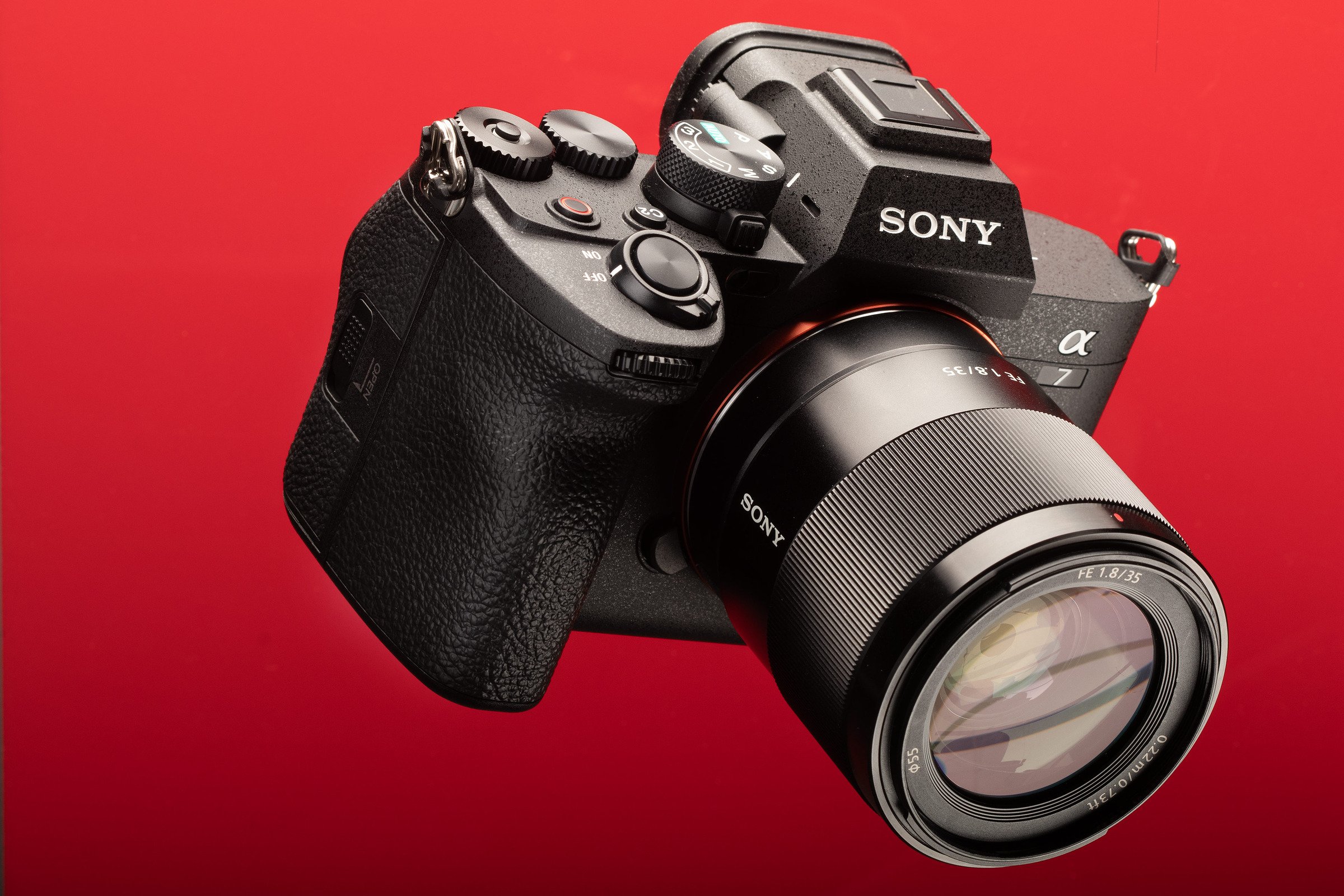
Sony A7 IV
The Sony A7 IV stands out as the best option in this list for wildlife photography, thanks to its full-frame sensor, outstanding autofocus system, and flexibility in both stills and video. The A7 IV's real-time tracking and eye autofocus for animals make it easier to capture sharply focused shots of moving subjects, even in challenging lighting conditions. Its 33MP full-frame sensor provides excellent resolution and detail, and the camera delivers impressive high-ISO performance for early morning or evening shoots when wildlife is most active. With 10 fps continuous shooting, silent shutter options, and deep buffer capacity, the A7 IV is well-equipped to handle fast action. Its weather-sealed body gives confidence when shooting outdoors, and extensive customization options let photographers tailor the camera to their workflow. Paired with Sony's vast E-mount lens lineup-including super-telephoto options-this camera serves wildlife shooters at all levels. The blend of speed, accuracy, and image quality make it our top pick on this list.
Pros
- Fast and accurate real-time tracking AF with animal eye detection
- Excellent image quality and high ISO performance
- 10 fps burst shooting with deep buffer
- Full-frame sensor for optimal depth-of-field control and detail
- Robust lens ecosystem including high-end super-telephoto options
Cons
- More expensive than APS-C alternatives
- Relatively large and heavy for long hikes

Sony A6700
The Sony A6700 is a strong contender for wildlife photography, particularly for those seeking a more compact and lightweight package. Its APS-C sensor delivers a 1.5x crop factor, effectively increasing your telephoto reach-a key advantage when photographing distant wildlife. The A6700 boasts Sony's latest subject-tracking and animal eye AF, which reliably locks onto moving targets. With a fast burst rate and good buffer depth, it's well-suited for action shots of birds or mammals on the move. While not a full-frame camera, the A6700 still offers impressive image quality and works with the same E-mount lenses as the higher-end Sony bodies. Its smaller body makes it ideal for carrying into remote locations or for handheld shooting during long sessions. For enthusiasts and travelers who want excellent performance without the size and expense of full-frame gear, the A6700 is a smart compromise.
Pros
- Very compact and lightweight for its class
- APS-C crop gives extra reach with telephoto lenses
- Fast, reliable autofocus with animal eye detection
- Good burst rate for action shots
- Compatible with premium Sony E-mount lenses
Cons
- APS-C sensor has less dynamic range and low-light capability than full-frame
- Grip and buttons may feel cramped with large lenses
You Might Also Like
Frequently Asked Questions
What features are most important in a camera for wildlife photography?
Key features include fast and accurate autofocus (especially animal eye detection), high continuous shooting speed (burst rate), good buffer depth, reliable weather sealing, strong high-ISO performance, and access to telephoto lenses. The camera's responsiveness is critical for capturing fast-moving or unpredictable animals.
Should I choose a full-frame or APS-C camera for wildlife?
Both formats have advantages: full-frame cameras generally offer better low-light and dynamic range performance, while APS-C cameras provide a crop factor that gives extra telephoto reach. For wildlife, APS-C can be beneficial if you need more reach without investing in longer (and often heavier/more expensive) lenses.
What lenses are best for wildlife photography?
Telephoto lenses-typically those with focal lengths of 300mm and above-are ideal for wildlife because they allow you to photograph distant subjects without disturbing them. A fast maximum aperture (like f/2.8 or f/4) can help in low light and provide better subject isolation.
How important is weather sealing in wildlife cameras?
Very important. Wildlife photography often means working in unpredictable environments-rain, dust, humidity, or extreme temperatures. Weather-sealed cameras and lenses minimize the risk of gear failure in the field.
Is autofocus tracking for animals necessary?
Modern animal eye-tracking autofocus systems drastically increase your keeper rate, especially for active, unpredictable wildlife. Cameras with reliable animal eye or subject tracking let you focus more on composition and timing rather than worrying about focus accuracy.
How can I maximize my telephoto reach for wildlife photography?
Using an APS-C body increases effective focal length due to the crop factor. You can also use teleconverters (with compatible lenses) or invest in longer telephoto primes or zooms. Remember, image quality may be reduced when using extreme crops or teleconverters, so balance reach with optical quality.