Real estate photography places high demands on a camera, requiring superb image quality, wide dynamic range, effective autofocus, and the ability to pair with wide-angle lenses. Whether you are capturing sharp interior shots or dazzling exteriors during twilight, a real estate camera must deliver high-resolution files, handle challenging lighting, and offer reliable performance for long shoots. Both professionals and aspiring agents need features like tilt screens, excellent low-light capability, and fast wireless connectivity for quick client turnaround. When evaluating options for this list, we prioritized sensor resolution and image quality, since detail matters for property listings and large prints. We also considered autofocus reliability, lens ecosystem (wide-angle options are crucial), in-body stabilization, and ease-of-use for quick workflows. To help you find the best tool for your needs, we selected a mix of full-frame, APS-C, and even medium format models from major brands that stand out for their balance of quality, usability, and value in real estate photography.
Why Trust This List
Our rankings are based on aggregated opinions from real photographers across Reddit communities, combined with detailed specification analysis. We do not accept payment for placement or use affiliate links that influence rankings.
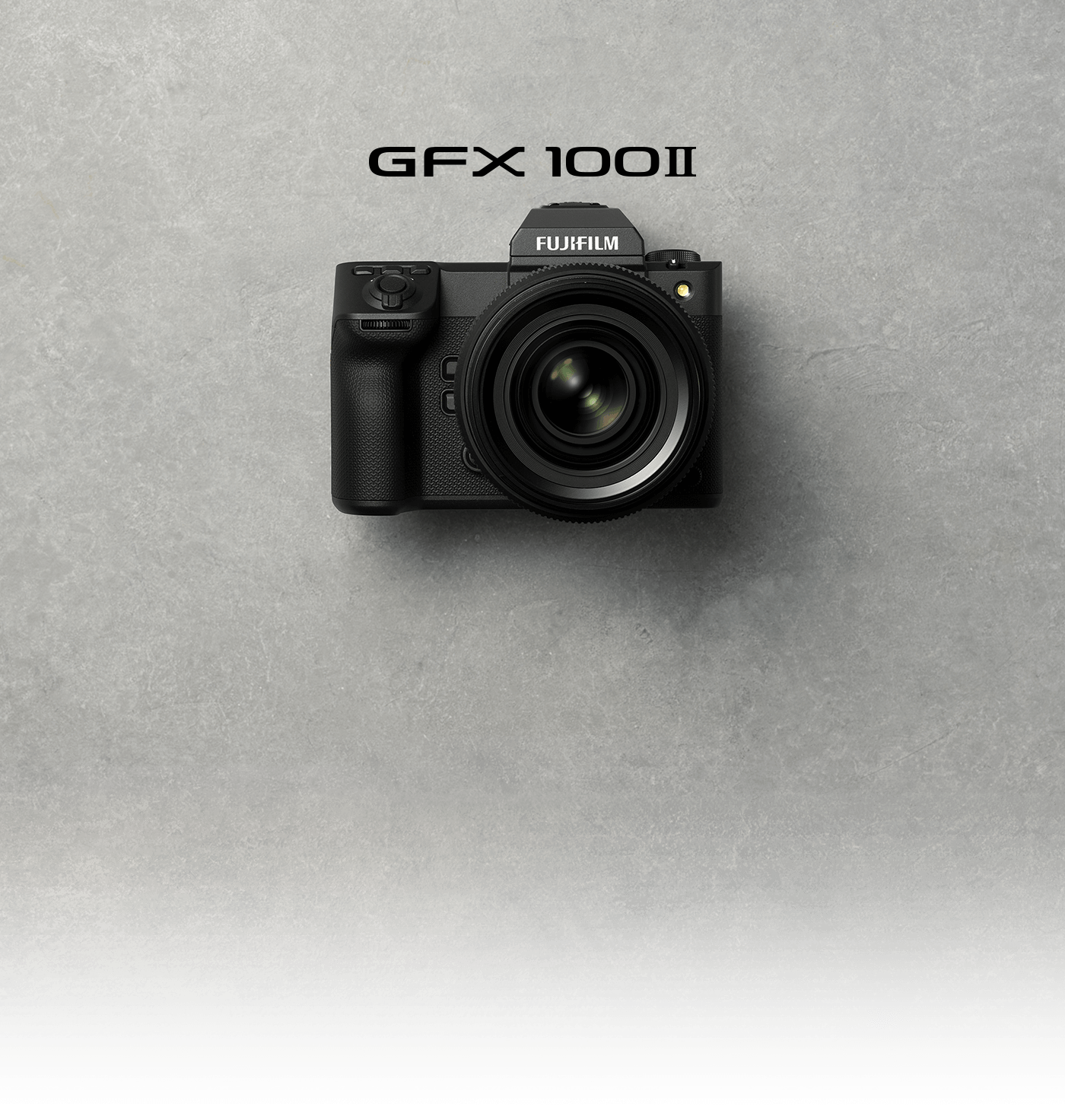
Fujifilm GFX 100 II
The Fujifilm GFX 100 II sits at the top of this list thanks to its extraordinary 102MP medium format sensor, which produces images with unmatched detail, color fidelity, and dynamic range. For luxury and high-end real estate photography, the depth and clarity achievable with the GFX 100 II will wow both agents and clients, making it the gold standard where budget is no obstacle. The camera also boasts fast autofocus, an improved burst rate, responsive handling, and access to Fujifilm's expanding range of wide and ultra-wide G-mount lenses-perfect for interior spaces and sweeping exteriors. This camera is best suited for photographers who require the top image quality for high-value listings, magazine spreads, or commercial real estate work. Its feature set, while not cheap, justifies the premium for those needing absolutely flawless results.
Pros
- Class-leading 102MP medium format sensor
- Exceptional dynamic range for challenging lighting
- Wide selection of high-quality wide-angle lenses
- Fast, accurate autofocus for a medium format camera
- Robust build and weather resistance
Cons
- High price limits appeal to elite professionals
- Large, heavy body compared to full-frame options
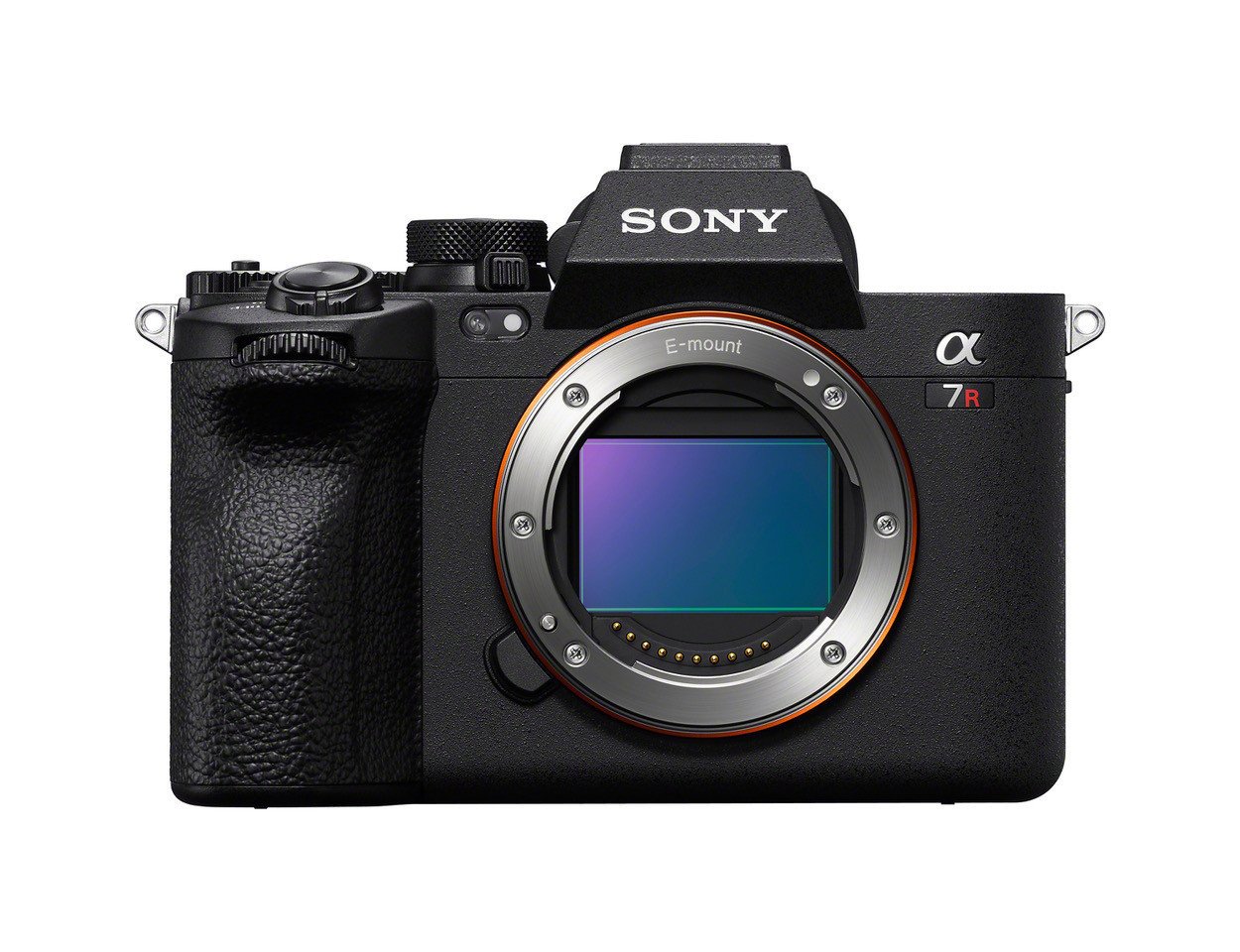
Sony A7R V
Sony's A7R V is an industry favorite for real estate thanks to its 61MP full-frame sensor, superb autofocus, and fantastic dynamic range. It delivers large, detailed files ideal for both online listings and print, and outperforms most competitors in low light and backlit interiors. Sony's ecosystem offers a wide range of native wide-angle and tilt-shift lenses, critical for architecture and interiors. The vari-angle LCD and excellent IBIS make it practical on location, whether shooting with ambient or mixed lighting. The A7R V ranks just behind medium format in image quality, but its superior usability, lighter build, and feature set make it ideal for most professional real estate shooters who want uncompromising results without the bulk or price of medium format.
Pros
- 61MP full-frame sensor for ultra-detailed photos
- Class-leading autofocus, even in low light
- Robust in-body stabilization
- Massive native lens selection for wide/ultra-wide work
- Excellent battery life
Cons
- Expensive, especially with top-tier lenses
- Large file sizes require fast storage and editing tools
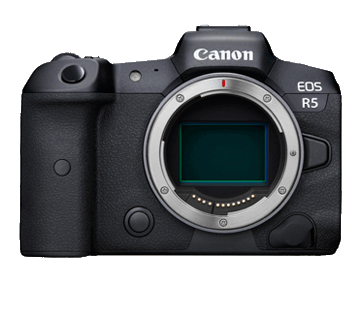
Canon EOS R5
The Canon EOS R5 brings a superb 45MP full-frame sensor, exceptional autofocus, and class-best ergonomics, making it a workhorse camera for real estate professionals. Its RAW files offer excellent flexibility for HDR blending or single-shot edits, and Canon's color science excels at rendering natural interiors and exteriors. With built-in stabilization and a fully articulating screen, it adapts well for tricky angles and handheld shooting. The growing RF mount lens ecosystem offers excellent wide-angle and tilt-shift options covering all real estate scenarios. While its pixel count is lower than the Sony A7R V, the R5 impresses with a balanced feature set, reliable performance, and user-friendly interface. A great choice for Canon shooters merging still images and video tours in a single workflow.
Pros
- High-resolution 45MP sensor
- Best-in-class dual-pixel autofocus
- Stabilized, articulating LCD for flexible shooting
- Excellent color science right out of camera
- Strong RF wide-angle lens selection
Cons
- Pricey compared to some rivals
- RF lenses can be expensive
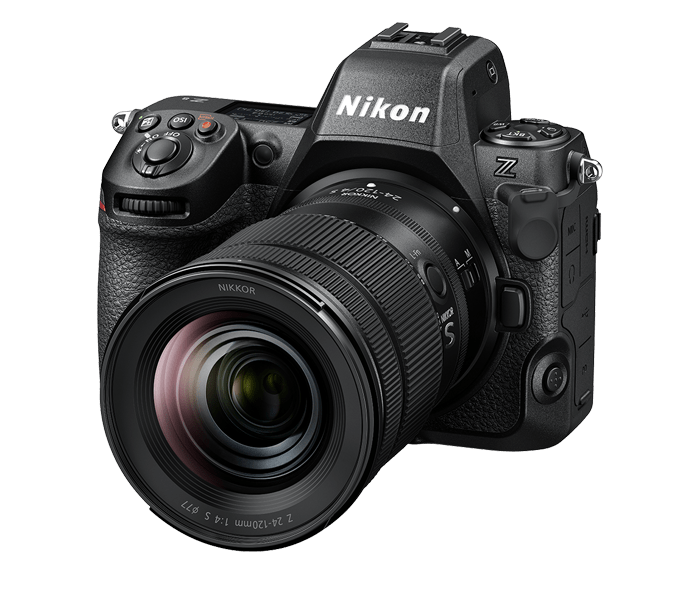
Nikon Z8
The Nikon Z8 delivers flagship-level 45.7MP full-frame performance in a compact, rugged body. Its impressive dynamic range and file flexibility make it perfect for handling varied lighting in real estate-from sunlit exteriors to low-light interiors. Nikon's focus performance and subject tracking makes for frustration-free shoots, and the Z-mount system is rapidly adding high-quality wide-angle lens options. The robust build is at home on professional shoots in any property type. While it lacks the raw resolution of the GFX or Sony A7R V, the Z8 offers superb value and versatility, making it a fantastic investment for any serious real estate photographer.
Pros
- Versatile 45.7MP full-frame sensor
- Excellent dynamic range and color rendering
- Pro-level autofocus and tracking
- Solid build, weather-sealed body
Cons
- Heavier than most mirrorless competition
- Lens lineup for architectural work still expanding
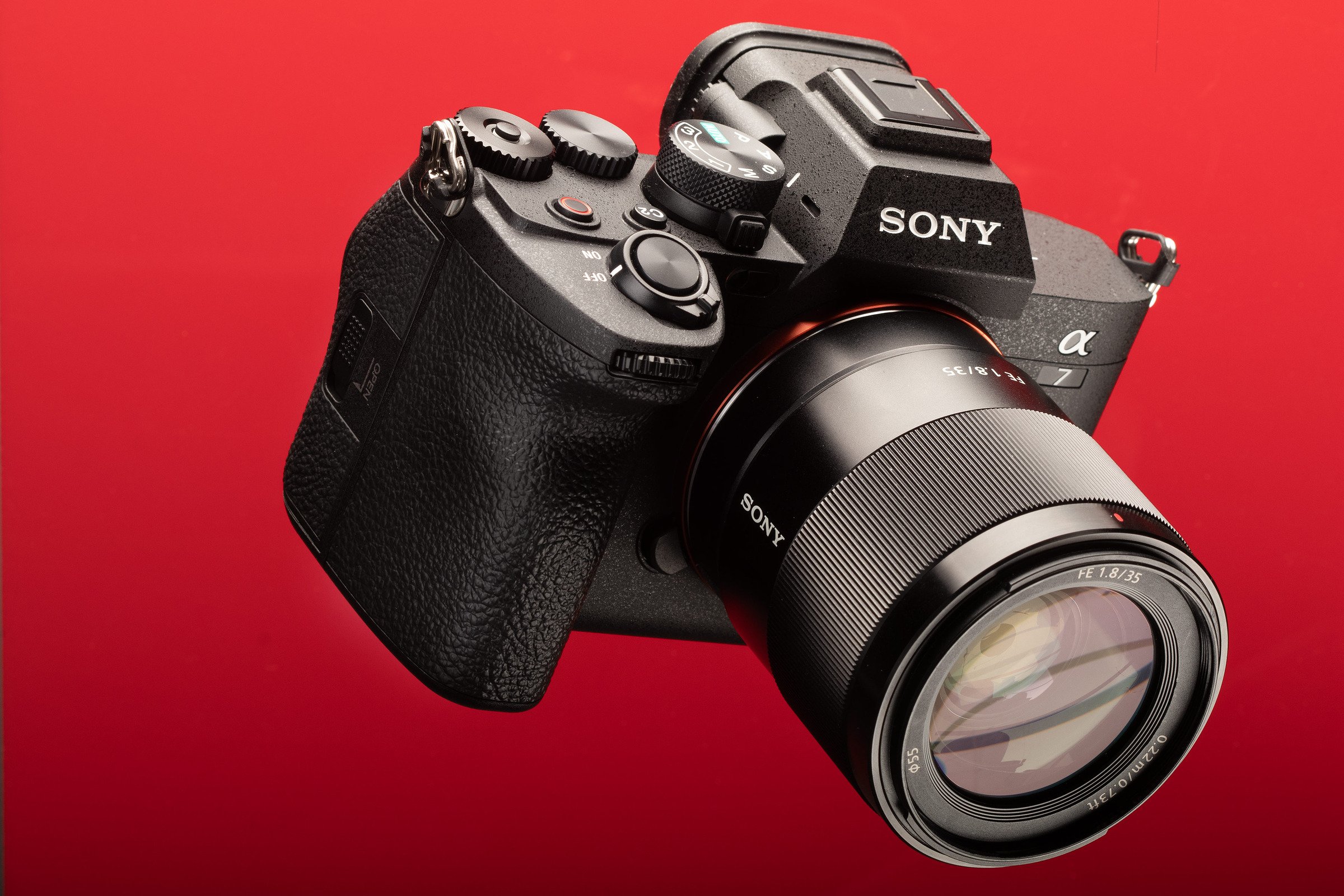
Sony A7 IV
For those seeking a balance between high image quality and affordability, the Sony A7 IV is a standout. Its 33MP sensor is more than sufficient for most real estate needs, offering impressive detail and flexibility at a considerably lower price point than the A7R V or medium format options. The A7 IV features strong autofocus, in-body stabilization, fast connectivity, and excellent support for both stills and video tours. Combined with Sony's selection of wide and ultra-wide lenses, it is a proven performer in any property type. This camera is ideal for up-and-coming real estate photographers or full-time agents needing high quality without the price tag of a flagship system, without sacrificing essential features.
Pros
- 33MP full-frame sensor delivers sharp, detailed images
- Highly reliable Eye AF and tracking
- Affordable compared to top-tier models
- Ergonomic design and good battery life
Cons
- Less headline-grabbing resolution versus flagship rivals
- Menu system can feel complex for beginners

Fujifilm X-T5
Fujifilm's X-T5 provides an affordable entry into high-resolution APS-C real estate photography, sporting a 40MP sensor that rivals some older full-frame cameras for detail. The X-T5 is lightweight, offers in-body stabilization, and pairs excellently with Fuji's wide-angle primes and zooms, many of which are compact and affordable. With classic Fuji design, intuitive controls, and beautiful film simulations for quick social sharing, it's a great option for agents or photographers on a tighter budget. While not a full-frame system, the X-T5's size, flexibility, and lens variety will attract lifestyle-focused agents and those starting out who want stunning results without the bulk or cost of larger systems.
Pros
- Superb 40MP APS-C sensor for crisp detail
- Excellent in-body image stabilization
- Compact, lightweight body
- Great selection of wide Fuji X lenses
Cons
- APS-C sensor has less dynamic range than full-frame
- No native tilt-shift lens options
You Might Also Like
Frequently Asked Questions
What camera features matter most for real estate photography?
The most important features are high sensor resolution (for detailed interior and exterior images), wide dynamic range (to capture bright windows and shadowed rooms), reliable autofocus, and access to high-quality wide-angle lenses. Articulating screens, in-body stabilization, and wireless transfer capabilities can also make a big difference for day-to-day workflow.
Do I need a full-frame camera for real estate photography?
While full-frame cameras generally offer better dynamic range and low-light performance, many APS-C and even medium format options excel as well. APS-C models can deliver outstanding results if paired with the right lenses and used properly, while medium format offers the absolute best quality at a premium price. Full-frame is typically the sweet spot for pros balancing price, performance, and lens availability.
Are more megapixels always better for real estate work?
Higher megapixels generally allow for sharper, more detailed images and the ability to crop in or print large. However, after about 30-45MP, diminishing returns set in for web use and standard print. Balance resolution with workflow needs and file management capabilities, as extremely high-megapixel files require more storage and processing power.
Which lens should I pair with my real estate camera?
A high-quality wide-angle lens (typically in the 12-24mm equivalent range) is crucial for capturing spacious interiors and dramatic exteriors. Tilt-shift lenses are best for correcting perspective distortion but are expensive and not essential for every shoot. Make sure your camera system has at least one excellent wide or ultra-wide lens available for your chosen mount.
How important is in-body image stabilization?
In-body image stabilization (IBIS) allows you to shoot handheld at slower shutter speeds without blur, which is useful for low-light interiors or creative angles. While tripod use is still recommended for the sharpest results, IBIS can be a real asset for speed and flexibility, especially during fast-paced shoots.
Is it worth investing in expensive equipment for real estate photography?
If you consistently shoot high-end or commercial properties, or require wall-sized prints, investing in top-tier bodies and lenses makes sense. However, many agents and newer photographers can achieve great results with mid-range or APS-C cameras and a good wide lens. Consider your workload, client expectations, and budget when deciding how much to invest.