Portrait photography requires more than just a good camera-it calls for exceptional image quality, accurate autofocus, pleasing skin tones, and the flexibility to use high-quality lenses. When searching for the best camera for portraits, buyers should prioritize sensors with excellent dynamic range, reliable eye-detection autofocus, ease of handling for longer sessions, and a lens ecosystem that offers fast primes or sharp zooms with wide apertures for attractive background blur (bokeh). The ability to work well in natural light and provide accurate color rendering is also essential for flattering portrait results. For this ranking, we carefully evaluated each product's sensor performance, autofocus accuracy (particularly eye and face detection), compatibility with premium portrait lenses, ergonomics, and value for portrait shooters. We also considered each product relative to the typical needs of portrait photographers-ranging from studio professionals to enthusiasts capturing friends and family. While camera bodies are our main focus, outstanding portrait lenses can be as important as the camera itself, and we weighed them accordingly in our recommendations.
Why Trust This List
Our rankings are based on aggregated opinions from real photographers across Reddit communities, combined with detailed specification analysis. We do not accept payment for placement or use affiliate links that influence rankings.
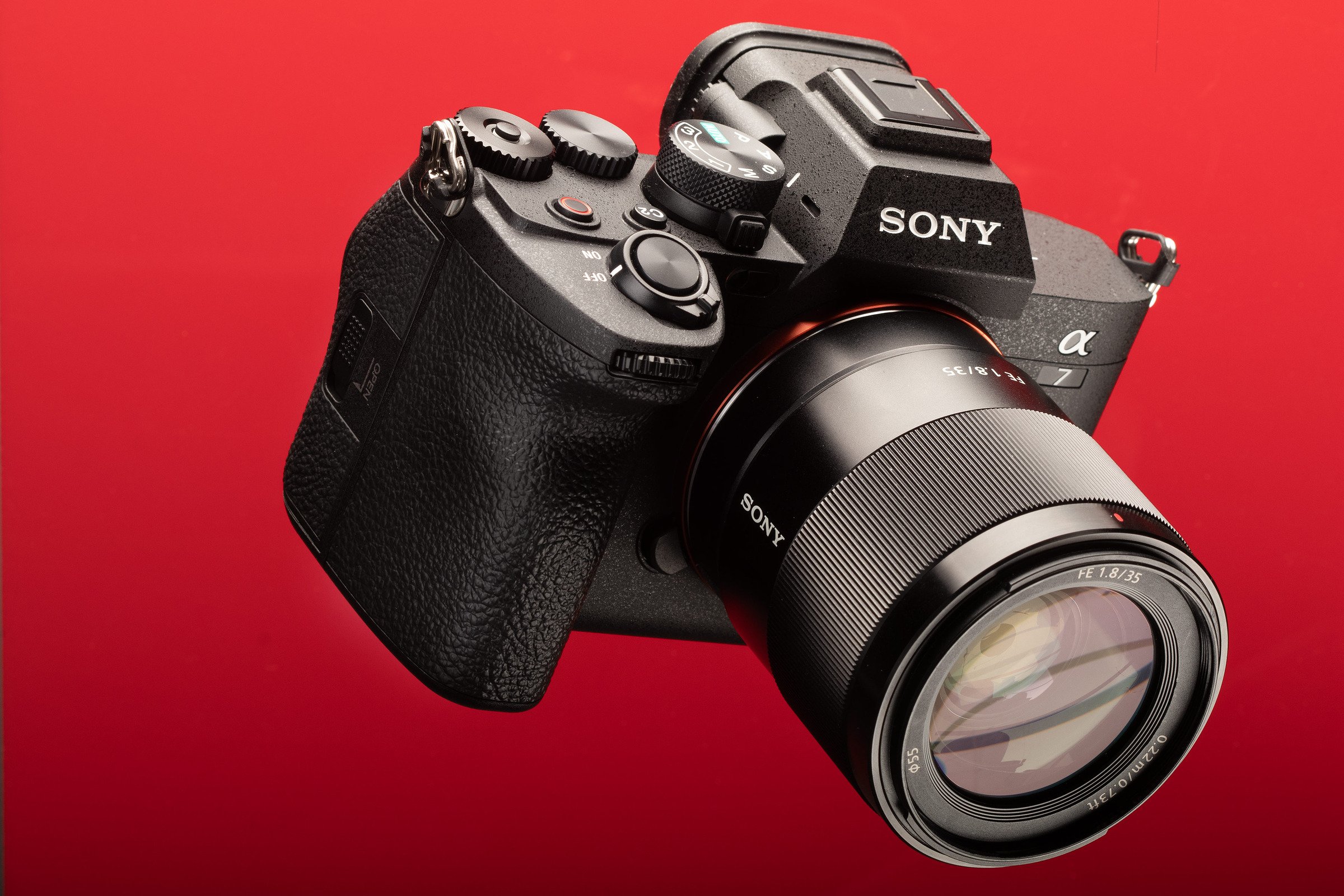
Sony A7 IV
The Sony A7 IV stands out as the top choice for portrait photography thanks to its full-frame sensor, exceptional autofocus, and superb color rendering. Its 33MP sensor strikes an excellent balance between resolution and manageable file sizes, allowing you to crop and retouch with confidence while maintaining beautiful detail and dynamic range. The advanced Real-Time Eye AF system locks onto your subject's eyes with remarkable consistency, making it easy to capture sharp, expressive portraits, even with fast primes at wide apertures. Where the A7 IV really excels is its versatility for both studio and location shoots, with robust ergonomics, impressive high-ISO performance, and seamless compatibility with a vast range of Sony E-mount portrait lenses. Compared to APS-C bodies, its full-frame sensor delivers superior shallow depth of field and smoother tonal transitions for professional, high-impact portraiture. This makes it the best fit for professionals, advanced enthusiasts, and anyone serious about creating portfolio-worthy portraits.
Pros
- Full-frame sensor delivers stunning background blur and dynamic range
- Highly accurate Real-Time Eye AF with face/eye tracking
- Excellent color science and skin tone rendering
- Deep lens compatibility for premium portrait options
- Strong low-light and high-ISO performance
Cons
- Pricier than APS-C alternatives
- Larger and heavier body compared to smaller APS-C models

Sony A6700
The Sony A6700 is the top APS-C mirrorless option for portrait shooters, offering a compact package without sacrificing advanced autofocus or image clarity. Its 26MP APS-C sensor is paired with Sony's latest AI-powered subject recognition, delivering near full-frame-level AF tracking for eyes and faces-crucial for capturing sharp, emotive portraits every time. Noise performance is strong for an APS-C sensor, and colors remain pleasing and natural, though with slightly less dynamic range and separation than full-frame sibling models. Despite these minor trade-offs, the A6700 is an excellent choice for hobbyists, environmental portrait shooters, or anyone prioritizing portability over maximum background blur. Its fast autofocus technology and wide compatibility with Sony E-mount lenses (including superb third-party primes) make it a reliable tool for both studio and on-location portrait work.
Pros
- Compact and lightweight design ideal for travel or location shooting
- Advanced real-time Eye AF and subject tracking
- Impressive image quality for APS-C sensor
- Quick, intuitive handling and fast burst shooting
- Works with a broad selection of E-mount portrait lenses
Cons
- APS-C sensor limits shallow depth of field compared to full-frame
- Slightly less dynamic range and low-light performance than the A7 IV
You Might Also Like
Frequently Asked Questions
Should I prioritize a full-frame or APS-C camera for portraits?
Full-frame cameras generally offer better low-light performance, smoother background blur, and richer color depth, making them the preferred choice for high-end portraiture. However, APS-C cameras can be more affordable and portable, with modern autofocus and image quality that will satisfy most enthusiasts and even some professionals. Consider your budget, desired depth of field, and size preferences when choosing between them.
How important is lens choice for portrait photography?
Lens choice is critical for portraits-more so, at times, than the camera body itself. Fast prime lenses (such as 50mm or 85mm f/1.4 or f/1.8) or high-quality zoom lenses (like the 24-70mm f/2.8) allow you to control depth of field and perspective, creating flattering, eye-catching results. Investing in a great portrait lens can dramatically improve your images regardless of your camera body.
What autofocus features matter most for portraits?
Reliable eye and face detection are essential. The best portrait cameras can accurately detect and lock onto your subject's eyes, ensuring sharp focus even at wide apertures. Continuous, real-time AF tracking is especially helpful for candid or moving subjects, while intuitive AF controls make the workflow smoother in busy shoots.
Does sensor resolution matter for portrait photography?
Higher resolution sensors offer more detail and greater flexibility for cropping or retouching, which can be beneficial for professional work. However, extremely high megapixels aren't always necessary for most portrait needs-what's often more important is sensor size, dynamic range, color accuracy, and how the camera renders skin tones.
Are zoom or prime lenses better for portrait work?
Both have their advantages. Prime lenses often offer wider maximum apertures for more background blur and typically yield slightly sharper or 'creamier' images. Zoom lenses like the 24-70mm f/2.8 GM II provide versatility and are especially useful for event or environmental portraits where you may need to quickly reframe. Ideally, a portrait photographer will have both options available.