Landscape photography demands cameras that deliver exceptional image quality, wide dynamic range, and precise color reproduction. Because landscapes are typically captured at lower ISOs, features such as high-resolution sensors, full-frame coverage, robust weather sealing, and strong lens ecosystem support are vital. Photographers in this category also appreciate ergonomic bodies for field use, flexible shooting options, and compatibility with sharp, wide-angle lenses. In evaluating the best cameras for landscape photography, we focused on sensor size and quality, resolution, lens compatibility, overall system versatility, and value for money. We also considered factors like durability, ease of use in challenging outdoor environments, and real-world image output. Our rankings reflect how each product serves landscape shooters specifically, prioritizing long-term usability, ultimate image potential, and support for creative flexibility.
Why Trust This List
Our rankings are based on aggregated opinions from real photographers across Reddit communities, combined with detailed specification analysis. We do not accept payment for placement or use affiliate links that influence rankings.
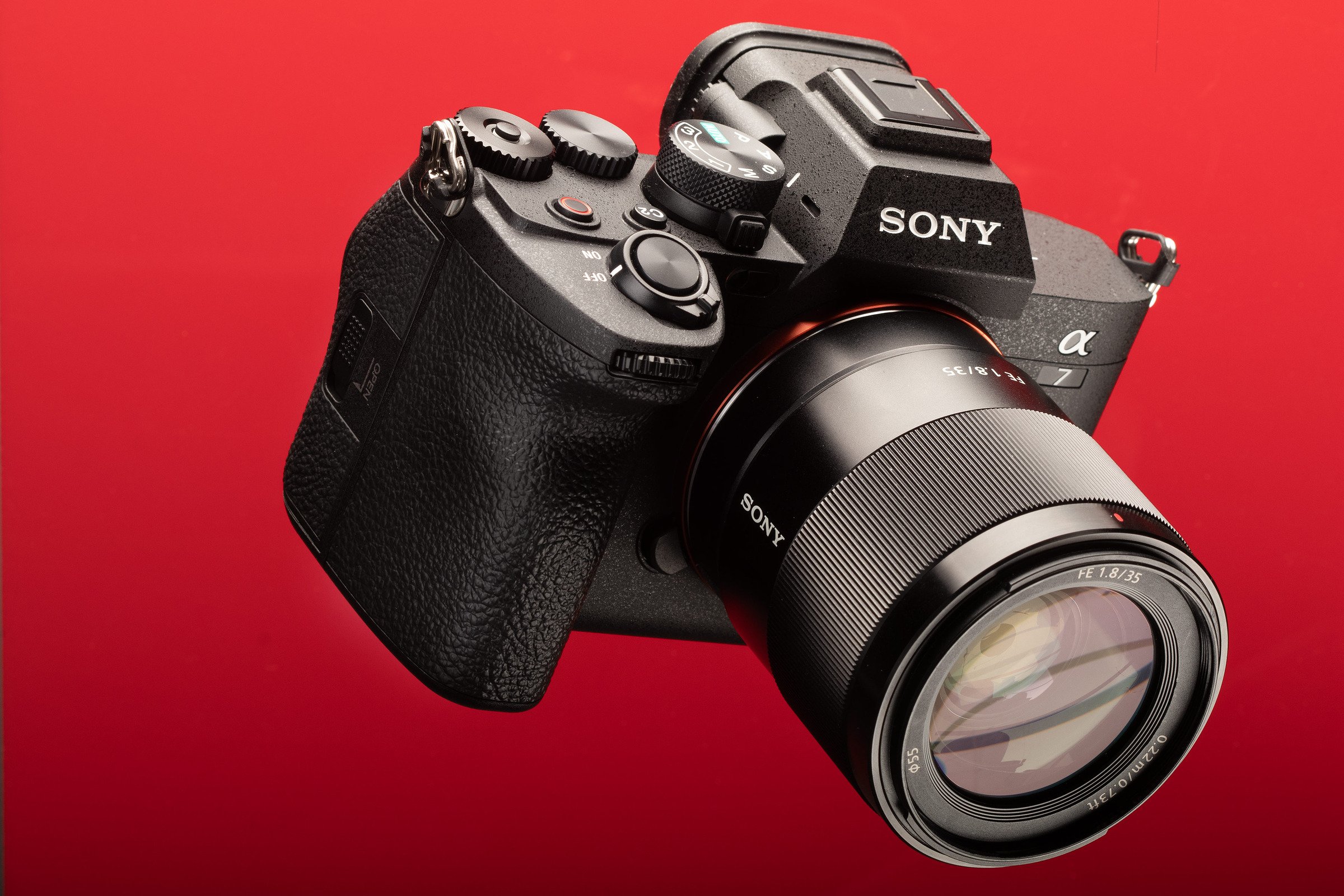
Sony A7 IV
The Sony A7 IV stands out as the top choice for landscape photographers among the options. Its 33MP full-frame sensor captures immense detail and broad dynamic range, two qualities that are hugely advantageous for sweeping vistas and high-contrast scenes. Backed by Sony's outstanding color science and advanced autofocus, the A7 IV consistently produces print-worthy images across varied lighting conditions. The robust, weather-resistant body offers peace of mind when shooting in the elements, while the E-mount system provides access to a wide range of excellent landscape lenses. While its hybrid autofocus system is also geared for action, the A7 IV truly shines in genres like landscape where faithful color, beautiful gradation, and resolution are paramount. Its tilting screen and large battery add field convenience, making it ideal for hiking, travel, and all-day shooting. For both serious enthusiasts and professionals, the A7 IV delivers an impressive balance of image quality and operational flexibility.
Pros
- Excellent 33MP full-frame sensor with great dynamic range
- Large E-mount lens selection for landscapes
- Durable, weather-sealed build
- Intuitive controls and good battery life
- Strong color accuracy and RAW file performance
Cons
- Heavier and bulkier than APS-C bodies
- Higher cost of full-frame lenses

Sony A6700
The Sony A6700 is a powerful APS-C mirrorless camera that finds its niche with landscape photographers who prioritize portability without sacrificing image quality. Its 26MP BSI sensor offers good resolution and low noise, making it suitable for high-quality landscape prints, though it doesn't match the depth and dynamic range of a full-frame sensor. The compact, lightweight body is perfect for backpackers, hikers, or travelers who need to minimize carry weight but still want excellent results in the field. With fast autofocus, reliable in-body stabilization, and access to Sony's E-mount lenses (including superb wide angles), the A6700 covers a lot of ground for an APS-C camera. However, its sensor size can be limiting for ultimate shadow recovery or ultra-wide shooting, and the body is not as robustly weather-sealed as full-frame alternatives. It's an excellent pick for landscape shooters who value mobility and versatility over pure sensor output.
Pros
- High-quality 26MP APS-C BSI sensor
- Very compact and lightweight for outdoor shooting
- Fast, accurate autofocus system
- Excellent in-body image stabilization
- Access to Sony E-mount landscape lenses
Cons
- APS-C sensor less capable in dynamic range than full-frame
- Weather sealing less substantial than A7 IV
You Might Also Like
Frequently Asked Questions
Is a full-frame sensor necessary for landscape photography?
Full-frame sensors offer superior dynamic range, better low-light performance, and often higher resolution, making them ideal for professional landscape work and large prints. However, modern APS-C sensors can also deliver excellent results, especially if you value portability and cost. The choice depends on your budget, typical print size, and willingness to carry heavier equipment.
What features are most important in a landscape camera?
Key features for landscape photography include high resolution, wide dynamic range, robust RAW files, weather sealing, and compatibility with high-quality wide-angle lenses. Articulating screens and strong battery life are also valuable for outdoor shooting. Consider how the camera handles in tough environments, and look for systems with good lens support for landscapes.
How important is lens choice versus camera body for landscapes?
Both matter, but lens quality often has a bigger impact on image sharpness and clarity than the camera body, assuming the sensor is adequate. Investing in sharp, distortion-free wide-angle or standard zoom lenses will yield better results than simply upgrading to a higher-end body. A good lens maximizes your camera's sensor potential.
Should I prioritize resolution or dynamic range for landscapes?
Both are important, but dynamic range is generally more critical for landscapes, as it allows you to retain highlight and shadow detail in high-contrast scenes. High resolution becomes more valuable if you plan to make large prints or crop extensively. Aim for a camera that balances both to best serve varied landscape situations.
Are weather sealing and build quality mandatory for landscape work?
While not strictly mandatory, robust weather sealing and a durable build make a significant difference if you frequently shoot outdoors, particularly in unpredictable or harsh conditions. These features help protect your investment and ensure consistent performance, so they're highly recommended for serious landscape photographers.