Choosing the best camera as a beginner can be a daunting task, mainly because of the sheer variety in features, formats, and price points. For new photographers, ease of use, helpful auto modes, value for money, and a clear path to growth and learning are generally more important than having every professional feature. It's important to look for cameras that offer intuitive controls, robust autofocus, and strong image quality-alongside size and handling that feel manageable for someone still learning photographic basics. When selecting cameras for beginners, we've prioritized models that balance image quality with approachability and value. Autofocus accuracy, available learning resources, lens ecosystem, and upgrade potential have also been considered. Our ranking is based on real-world usability for novices, taking into account how forgiving these cameras are for users who are still getting comfortable with concepts like exposure, focusing, and lens selection. Here's how the best beginner cameras stack up right now.
Why Trust This List
Our rankings are based on aggregated opinions from real photographers across Reddit communities, combined with detailed specification analysis. We do not accept payment for placement or use affiliate links that influence rankings.

Sony A6700
The Sony A6700 takes the top spot as the best camera for beginners thanks to its outstanding balance of performance, ease of use, and price. With a compact, lightweight APS-C body, it feels approachable but offers powerful autofocus, great battery life, and impressive 26-megapixel image quality-making it ideal for beginners who want to learn and grow. Its intuitive touchscreen controls and multitude of helpful auto modes simplify everyday use, while the renowned Sony E-mount gives access to a huge selection of affordable, beginner-friendly lenses. This camera is perfect for those starting in photography or content creation who want something that's easy to carry and won't overwhelm. With features trickled down from higher-end models, it offers room to experiment with video and advanced techniques as your skills progress. While not the absolute cheapest, its performance-to-value ratio is tough to beat for new shooters.
Pros
- Compact, lightweight and beginner-friendly body
- Excellent autofocus that 'just works'
- Great image quality for both photos and 4K video
- Access to a broad, affordable Sony E-mount lens ecosystem
- Good battery life and in-body stabilization
Cons
- Not as strong in low-light as full-frame models
- Menu system can be overwhelming at first
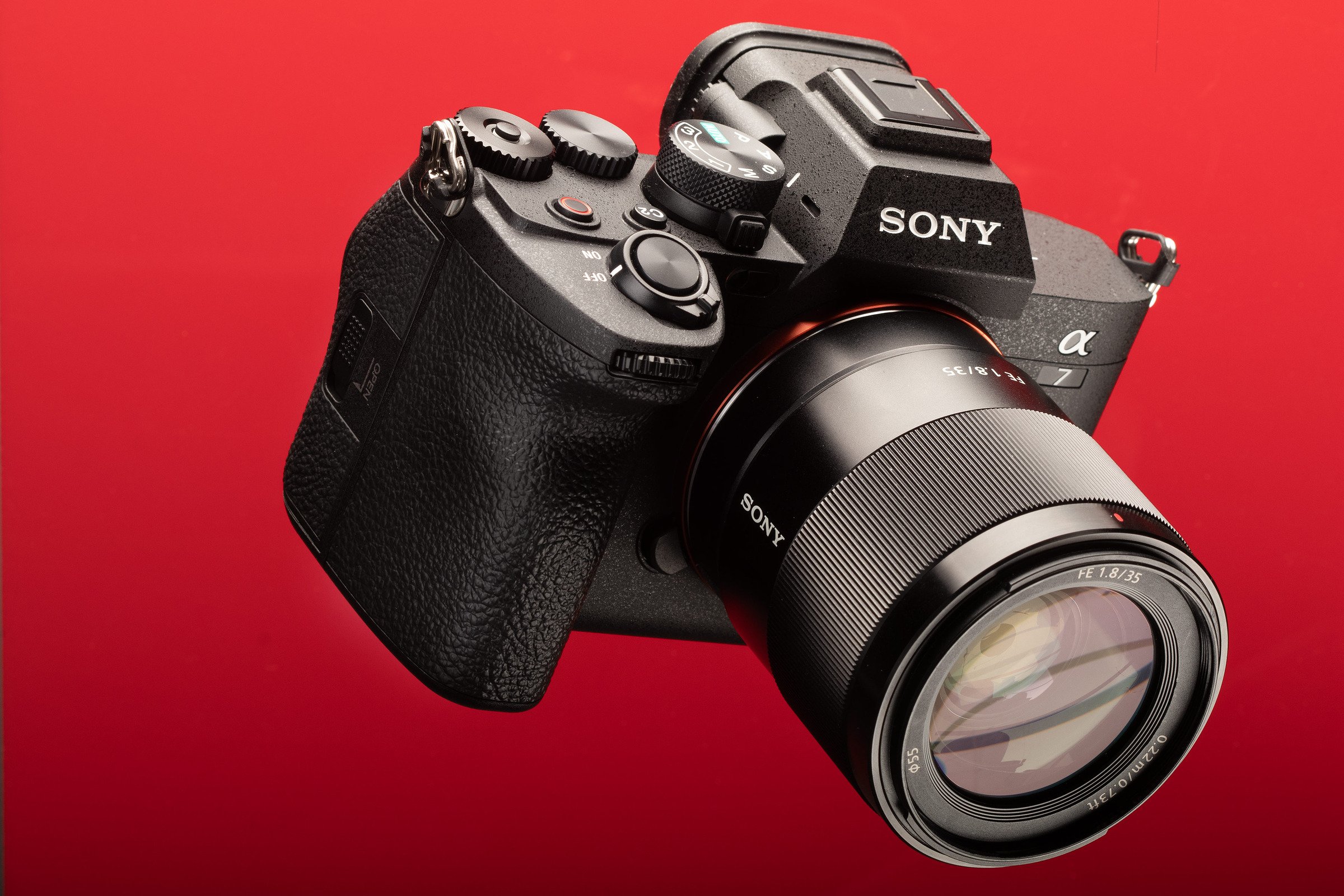
Sony A7 IV
The Sony A7 IV is a powerful full-frame camera that offers superb image quality and advanced autofocus, making it a great long-term investment for ambitious beginners. Its full-frame sensor excels in low light and delivers beautiful background blur-perfect for portraits and creative work. Despite its professional pedigree, it offers helpful auto modes and a responsive touch interface, making the learning curve less steep for motivated first-time users. That said, its higher price and bulkier body make it less ideal as a true beginner's first camera compared to the smaller, more approachable A6700. Still, for those willing to invest for the best image quality from day one and who anticipate growing into their gear, the A7 IV is an outstanding pick.
Pros
- Exceptional image quality with full-frame sensor
- Class-leading autofocus performance
- Video features rival more expensive cameras
- Robust weather-sealed build
- Wide range of E-mount lenses
Cons
- Bulkier and heavier than other beginner options
- Significantly more expensive
You Might Also Like
Frequently Asked Questions
What features should beginners look for in a first camera?
Beginners should prioritize cameras with intuitive controls, reliable autofocus, helpful automatic modes, and a straightforward menu system. Having a camera that feels comfortable in hand and isn't too heavy also makes the learning experience more enjoyable. Starter kits that include a versatile zoom lens can also help beginners experiment with different styles of photography.
Is it better to start with an APS-C or full-frame camera?
APS-C cameras are generally more affordable, lighter, and have access to a wide range of lenses tailored for beginners, making them an excellent starting point. Full-frame cameras offer better low-light performance and image quality but are typically heavier and pricier. For most beginners, an APS-C like the Sony A6700 strikes the right balance.
How important is lens selection for beginners?
Lens selection is very important. An interchangeable lens system allows beginners to explore different types of photography and grow with their camera. Look for systems with a robust range of affordable native and third-party lenses-like Sony's E-mount ecosystem.
Do I need to spend a lot to get a good beginner camera?
Not necessarily. There are excellent entry-level cameras in the mid-range price segment that offer features and image quality that rival professional models. The most important factors are usability, access to learning resources, and potential to grow-not just price or specs.
What's the difference between a camera body and a lens?
The camera body contains the sensor and controls; lenses are attached to focus light onto the sensor. Both are essential for taking photos. Beginners should start with a versatile, affordable zoom lens bundled with the camera, before considering more expensive (and sometimes specialized) lenses.
Can a beginner use professional lenses like the Sony FE 24-70mm f/2.8 GM II?
While technically compatible, professional lenses like the FE 24-70mm f/2.8 GM II are large, expensive, and often more than beginners need. Most won't benefit from the extra performance until they've developed their techniques. Starting with a standard kit lens usually makes more sense financially and practically.