Astrophotography captures the stunning beauty of the night sky, from star fields and constellations to deep sky nebulae and galaxies. The unique demands of astrophotography mean that a camera's low-light performance, sensor size, noise control, and compatibility with fast, wide lenses are all crucial. Shutter speed control, remote shooting features, and robust build quality can also make a significant difference when shooting in challenging conditions outdoors overnight. When selecting the best cameras for astrophotography, we looked for models that offer strong high-ISO performance, excellent dynamic range, advanced manual controls, and good support for a wide range of high-quality lenses suitable for night sky imaging. Autofocus speed and burst rate often matter less than image quality in this genre, but handling and accessories (like intervalometers) can still be important for some users. Our rankings below were determined by each product's ability to deliver clean, detailed images in low-light conditions, as well as their flexibility for different astrophotography styles.
Why Trust This List
Our rankings are based on aggregated opinions from real photographers across Reddit communities, combined with detailed specification analysis. We do not accept payment for placement or use affiliate links that influence rankings.
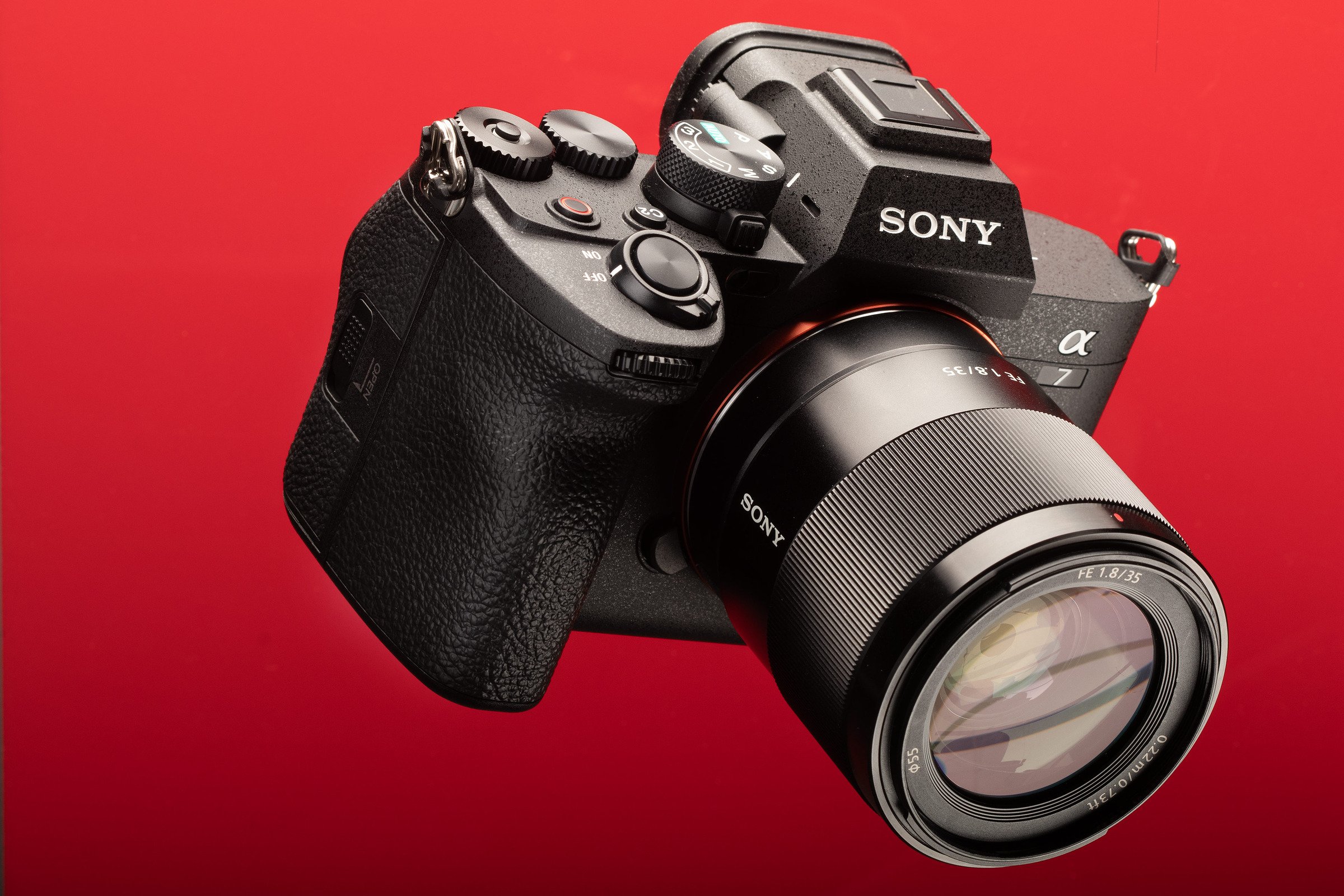
Sony A7 IV
The Sony A7 IV claims the top spot for astrophotography thanks to its full-frame sensor, outstanding low-light performance, and deep feature set for manual shooting. Its 33MP back-illuminated sensor delivers excellent image quality at high ISO settings, keeping noise levels low and star colors vivid-critical for capturing the subtle hues of the night sky. With a wide dynamic range and robust RAW files, the A7 IV offers significant flexibility for post-processing, ensuring that details in both dark skies and bright stars are retained. The A7 IV's compatibility with Sony's extensive E-mount lens lineup makes it a versatile platform for everything from ultra-wide Milky Way shots to deep-sky imaging with fast primes and wide-angle zooms. Its ergonomic grip and advanced menu system are helpful for nighttime operation, and features like USB charging and dual card slots add to its appeal for field shooting. For those serious about astrophotography, especially landscape and deep-sky enthusiasts, the A7 IV stands out as the most capable choice in this group.
Pros
- Excellent high ISO and low-light image quality
- Full-frame sensor delivers superb detail and wide field of view
- Wide lens support, including fast, wide-angle primes
- Good dynamic range for post-processing
- Strong battery life and solid build for outdoor use
Cons
- Larger and heavier than APS-C alternatives
- Higher cost compared to crop-sensor models

Sony A6700
The Sony A6700 takes the runner-up position, offering outstanding performance in a compact APS-C mirrorless body. With its 26MP sensor and advanced BIONZ XR processor, the A6700 handles high ISO shooting admirably, controlling noise while retaining good detail-a must for astrophotography. While the APS-C format has a narrower field of view compared to full-frame, it adds benefit for deep-sky work by effectively extending the reach of telephoto lenses. The smaller size and lighter weight also appeal to those traveling to remote shooting locations or mounting the camera on portable star trackers. Autofocus features are less important for astrophotography, but the A6700's responsive controls, customizable buttons, and support for Sony E-mount lenses (including ultra-wides) make it easy to adapt to different night sky scenes. This camera is excellent for astrophotography hobbyists seeking great image quality and versatility without the premium price or bulk of a full-frame system.
Pros
- Good high ISO performance for its class
- Compact and lightweight for portability
- Supports the same E-mount lens ecosystem as Sony's full-frame bodies
- Responsive controls and intuitive handling
Cons
- APS-C sensor limits field of view for wide nightscape shots
- Not as strong in extreme low-light or dynamic range as full-frame models
You Might Also Like
Frequently Asked Questions
Do I need a full-frame camera for astrophotography?
While full-frame cameras offer advantages like better low-light performance, wider fields of view, and greater dynamic range, APS-C sensors can still produce excellent astrophotography results, especially when paired with fast lenses. Beginners and those on a budget can comfortably start with APS-C bodies before upgrading.
What lens features are most important for night sky shooting?
A fast maximum aperture (f/2.8 or faster), wide focal lengths (14-24mm for landscapes), and good control of optical aberrations are key. Look for lenses with minimal coma and distortion, as these issues are especially noticeable in star images.
How important are high ISO and dynamic range for this genre?
Astrophotography often requires shooting at high ISO settings to capture faint starlight, so cameras that handle noise well are preferable. High dynamic range is also valuable, allowing you to recover shadow and highlight detail in post-processing, which is common with night sky images.
Is lens choice or camera body more important for beginners?
Both matter, but beginners should prioritize a camera body with good low-light capabilities and then invest in a fast, wide lens. Even an entry-level camera can produce impressive results with the right lens and careful technique.
What are some useful accessories for astrophotography?
A sturdy tripod, intervalometer or remote shutter release, extra batteries, and a red flashlight for working at night are all recommended. For longer exposure work, consider a star tracker to counteract the Earth's rotation.
Do I need any special features in the camera for deep-sky photography?
For deep-sky (nebulae, galaxies) imaging, look for cameras with low read noise, 'bulb' or long exposure capability, and the option to shoot in uncompressed RAW. Some astrophotographers also modify their cameras to enhance sensitivity to H-alpha light, important for certain nebulae.