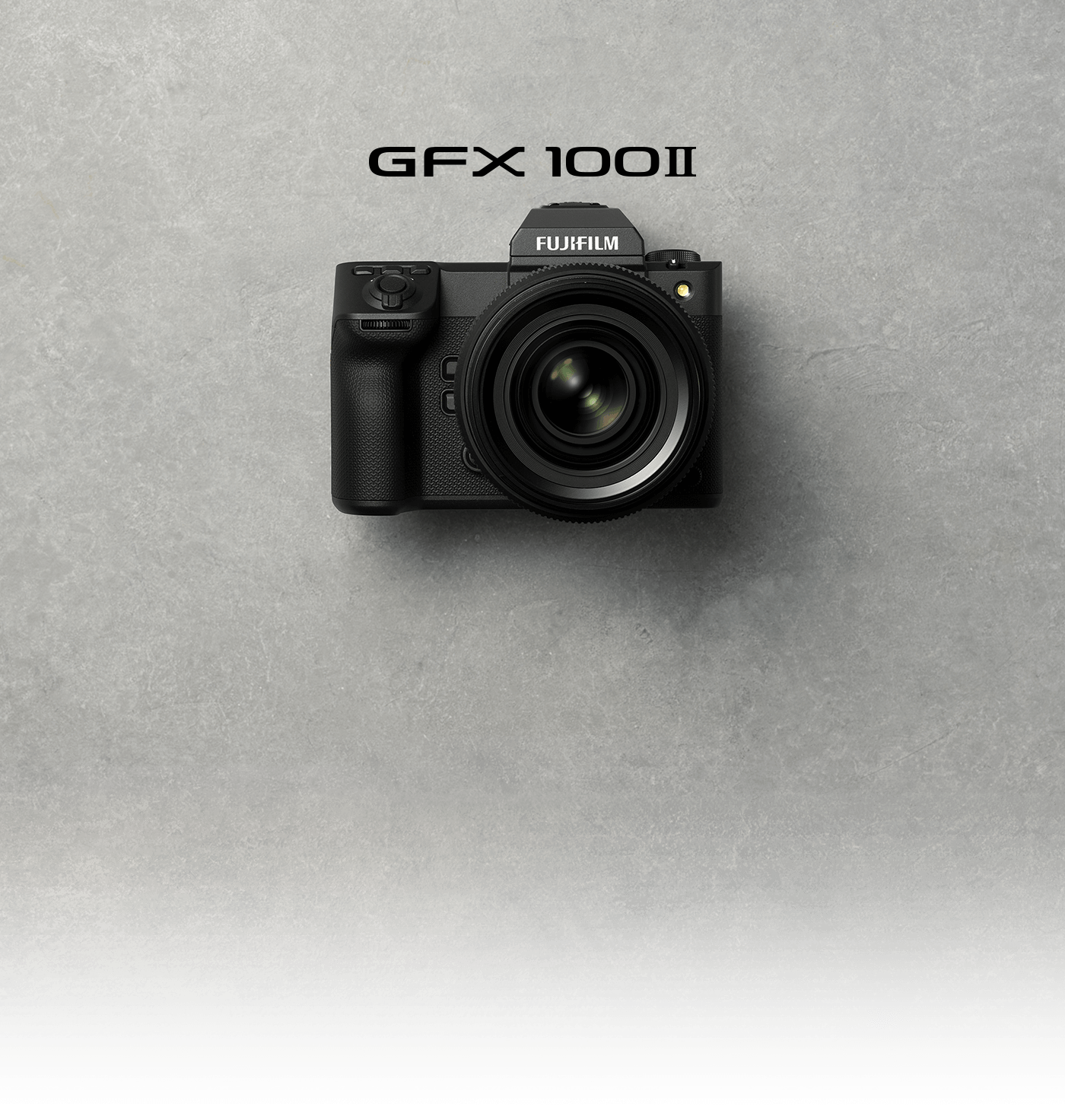

The Fujifilm GFX 100 II and GFX 100S II are both high-end medium format cameras that appeal to professional photographers and serious enthusiasts alike. With the same sensor size and sharing many specifications, these two models are often compared by those looking to invest in a cutting-edge camera for landscape, portrait, and commercial photography. The GFX 100 II, released in 2023, boasts improved performance and capabilities, while the GFX 100S II, released in 2024, is aimed at being a more compact and cost-effective alternative. Both cameras provide excellent image quality, robust autofocus capabilities, and impressive video features, making the decision challenging for potential buyers.
Key differentiators include size, weight, price, and frame rates that can influence which camera suits a photographer's style and needs. While the GFX 100 II leans into performance and durability, the GFX 100S II emphasizes compactness and accessibility. Understanding these nuances is essential for making an informed choice on which model best meets individual photography needs.
Specifications Comparison
Detailed Comparison
Image Quality
Both cameras feature a large medium format sensor measuring 44 x 33 mm, delivering a striking resolution of 102 megapixels. This allows for stunning detail, wide dynamic range, and excellent low-light performance due to their extended ISO capabilities ranging from 50 to 102400. Image quality is thus exceptionally high in both models, with the potential for producing large prints and robust cropping without significant loss of detail.
In practice, both the GFX 100 II and GFX 100S II produce images with comparable quality, but subtle differences may arise due to processing and internal algorithms. The GFX 100 II typically performs slightly better than the 100S II in terms of noise handling at higher ISO settings, benefitting from updated processing technology. Moreover, the GFX 100 II engages in slightly better dynamic range, especially in challenging lighting conditions, where subtle gradients can be critical.
However, the distinctions in image quality are primarily marginal, and both models cater well to professional standards. For practical purposes, photographers will be pleased with either choice for landscapes or studio work.
Autofocus System
Both the GFX 100 II and GFX 100S II utilize a sophisticated autofocus system featuring 425 phase detection points. This allows for precise focusing across a wide area of the frame, which is particularly beneficial for capturing moving subjects or working under varied lighting conditions. The autofocus speed is generally fast and reliable in both models, making them suitable for dynamic photography.
In terms of performance, while the autofocus systems are similar in their point count, the GFX 100 II benefits slightly from ongoing software updates that improve performance. It has an edge with a higher maximum frame rate at 8 FPS compared to the 7 FPS maximum of the GFX 100S II. This gives the GFX 100 II a minor advantage when it comes to burst shooting scenarios, such as wildlife or sports photography.
Ultimately, while both cameras deliver excellent autofocus capabilities, those needing the highest performance for fast-paced shooting may lean towards the GFX 100 II. However, users of either camera will find themselves equipped with reliable and capable autofocus systems.
Video Capabilities
Both the GFX 100 II and GFX 100S II offer robust video recording features, catering to content creators who value high-resolution video output. They share similar video specifications, including 4K recording capabilities, which allow for high-quality footage suitable for professional use. Both cameras leverage the same sensor, ensuring consistent performance across both stills and video.
However, the GFX 100 II has advantages such as slightly better thermal management, which may allow for longer recording times without overheating. Additionally, the frame rate options at 4K resolution maximize at 30 FPS on both units, yet the GFX 100 II's capabilities might offer improved performance during extended shoots.
Overall, while both models excel in video quality and offer similar features, the GFX 100 II takes this round with its superior performance metrics in specific video-centric scenarios.
Build & Ergonomics
When it comes to build quality, both the GFX 100 II and GFX 100S II are weather-sealed, making them suitable for challenging shooting conditions. The GFX 100 II weighs 1030 g, which makes it heftier compared to the GFX 100S II that weighs 883 g. This weight difference can be significant for photographers who prioritize portability during long shoots.
In terms of dimensions, the GFX 100 II measures 152 x 117 x 99 mm while the GFX 100S II is slightly more compact at 150 x 104 x 87 mm. While both cameras feature an electronic viewfinder and share a 3.2-inch LCD touchscreen, the ergonomics may vary slightly based on user experience. The more compact size of the GFX 100S II may appeal to travel photographers or those looking for a lighter setup.
Ultimately, while the GFX 100 II offers a feeling of robustness and a professional aesthetic, the GFX 100S II is more travel-friendly with a lighter compact design.
Battery & Storage
The battery performance of the GFX 100 II comes in at an impressive 540 shots per charge, slightly edging out the GFX 100S II, which offers a respectable 530 shots. While the difference is marginal, it may influence photographers on long assignments where every shot counts. Both models utilize a similar battery type designed to withstand demanding usage, catering to professional workflows.
Incorporating dual memory card slots in both cameras enhances storage flexibility, allowing users to save images in RAW + JPEG formats or use one card as a backup. This is an essential feature for professional users who require reliability in their workflows and the ability to shoot extensively without interruption.
Overall, while battery performance and card slots are similar, the marginally higher shot count of the GFX 100 II makes it a viable option for those heavy on shooting without frequent breaks for charging or card changes.
Value for Money
The GFX 100 II is priced at $7499, while the GFX 100S II is positioned at a more accessible price point of $4999. The increased cost of the GFX 100 II can be justified through its superior autofocus performance, video capabilities, and marginal improvements in handling and battery life. For professional photographers or those requiring the absolute best performance, investing in the GFX 100 II may be warranted.
However, the GFX 100S II does provide significant value for money, especially for hobbyists and semi-professionals who want high-quality medium format photography without the premium price tag. The cost difference allows for a substantial portion of a photographer's budget to be allocated towards lenses or other essential gear without compromising on image quality.
Ultimately, depending on the buyer's budget and how often they would leverage the performance benefits of the GFX 100 II versus the more reasonably priced GFX 100S II can significantly influence their purchasing decision at this price point.
Our Verdict
In the head-to-head comparison, the Fujifilm GFX 100 II edges out as the overall winner, particularly in aspects such as autofocus performance, video capabilities, and battery life. It is an excellent choice for professional photographers who need superior performance in demanding environments. However, the GFX 100S II shouldn't be overlooked, as it offers exceptional value for those looking for a high-quality camera in a lighter and more affordable package. The GFX 100S II is more suitable for travel photography and for those who may not need the top-tier features provided by the GFX 100 II, making both cameras excellent choices based on the user's needs.
Fujifilm GFX 100 II
Fujifilm GFX 100S II
Frequently Asked Questions
What are the main differences between GFX 100 II and GFX 100S II?
The key differences are in their weight, autofocus performance, price, and video capabilities. The GFX 100 II is heavier and offers slightly better autofocus speed and video handling, while the GFX 100S II is more compact and budget-friendly.
Which camera is better for professional use?
The GFX 100 II is generally better suited for professional use due to its superior autofocus system and better performance in demanding conditions.
Is the price difference justified?
For professionals requiring high performance and features, the price difference for the GFX 100 II can be justified. For hobbyists, the GFX 100S II offers a compelling value.
Are both cameras weather-sealed?
Yes, both the GFX 100 II and GFX 100S II are weather-sealed, making them suitable for shooting in various weather conditions.
How do battery lives compare?
The GFX 100 II has a slightly better battery life with approximately 540 shots per charge compared to 530 shots with the GFX 100S II.